Pokies Open Near Me Australia 2026: The Unfiltered Guide to Finding a Machine That Actually Pays
The phrase “pokies open near me” is a cry for help disguised as a search query. It’s the digital equivalent of wandering a strange suburb at 2 AM, looking for a glowing sign that promises a solution to your boredom or your rent money. In Australia, where poker machines are woven into the fabric of local pubs and clubs with a density that would make Las Vegas blush, the search is less about finding a place and more about finding the right place. Because not all venues are created equal, and the difference between a good night and a bad one often comes down to the specific machines, their maintenance schedules, and the unspoken rules of the house. This guide for 2026 cuts through the marketing gloss and the hopeful myths to give you a straight, numbers-based look at what you’re actually dealing with when you hunt for a venue with active machines.
Forget the idea of a “lucky” spot. The concept is a comforting fiction. What you’re looking for is a venue that is legally compliant, transparent about its machine operations, and doesn’t treat its patrons like walking ATMs with a pulse. The Australian market is regulated state by state, with each jurisdiction having its own labyrinth of rules governing machine numbers, operating hours, and mandatory closure periods. A venue in Sydney’s CBD operates under different constraints than a RSL club in rural Queensland. Your first task isn’t finding a machine; it’s understanding the legal framework that dictates when and where that machine can even be turned on. The 2026 landscape is shaped by ongoing debates about harm minimisation, cashless gaming trials, and the slow creep of technology into what was once a purely mechanical pastime.
Let’s be blunt: the industry’s marketing for “new” or “hot” machines is a cold math problem. A machine’s return-to-player (RTP) percentage is a long-term theoretical average, not a promise for your Tuesday night. A venue advertising “loose slots” is using a phrase as empty as a “free” bonus in a casino. Nobody gives away money. The house edge is baked into the software, certified by regulators, and audited regularly. Your job is not to beat the system—it’s to understand its parameters so you can play within them without deluding yourself. This guide will break down the state-by-state regulations, the typical machine configurations you’ll encounter, the payment and cash-out realities, and the criteria for separating a decent local pub from a predatory operation. We’ll look at the numbers, not the noise.
The Regulatory Maze: Why “Open” Means Different Things in Different Postcodes
In Australia, the term “open” is a legal minefield. A venue might be physically open for dining and drinks, but its gaming room could be shuttered due to mandatory closure periods. These are not suggestions; they are hard rules enforced by state regulators like Liquor & Gaming NSW, the Victorian Gambling and Casino Control Commission (VGCCC), and their counterparts in Queensland, South Australia, and elsewhere. The core idea behind these closures is harm minimisation—forcing a break in play to disrupt the trance-like state that can lead to significant losses. For example, in New South Wales, gaming rooms in clubs and hotels are typically required to close between 4:00 AM and 10:00 AM, with some variations for specific license types. In Victoria, the rules are even stricter, with a mandatory 20-hour closure period each week, often implemented as a daily closure from 4:00 AM to 10:00 AM plus an additional 8-hour block on a nominated day.
The numbers tell a story of a tightly controlled environment. As of late 2025, there were approximately 195,000 poker machines operating across Australia, with the heaviest concentration in New South Wales (over 90,000) and Victoria (over 27,000). Each machine is tracked, with its performance data logged centrally. This isn’t a free-for-all. The state governments set a maximum number of machines per venue, often based on the venue’s size and liquor license. A small suburban pub might be capped at 10-15 machines, while a large city casino or a major RSL club could have several hundred. The “near me” part of your search is therefore a function of local zoning laws and venue licensing. You can’t just open a gaming room next to a school; there are buffer zones and community impact assessments involved.
These regulations directly impact your experience. A venue that closes its gaming room at 2:00 AM isn’t being lazy; it’s complying with a state-mandated shutdown. The 2026 landscape is seeing increased pressure for earlier closing times and more frequent mandatory breaks. Some pilot programs are testing “pre-commitment” systems where players set a loss limit before they start playing, a concept that would have been laughed out of the room a decade ago but is now being seriously implemented. Your search for a venue that’s “open” must therefore be filtered through the lens of these non-negotiable legal hours. The best approach is to check the specific state regulator’s website for current operating hour mandates, then cross-reference with the venue’s own listed hours, which are often posted on their website or social media pages.
What You’re Actually Looking For: Machine Types, RTPs, and the Myth of the “Hot” Slot
Walk into any Australian gaming room and you’ll face a wall of flashing lights and promises. The machines are broadly categorized into “gaming machines” (the classic pokies) and “electronic table games” (ETGs), which simulate roulette, blackjack, and baccarat. The vast majority are video slots, with reel-spinning “classic” machines becoming rarer. The key metric you’ll hear whispered about is the RTP—the percentage of wagered money a machine is programmed to pay back to players over an extremely long period, typically millions of spins. In Australia, the minimum legal RTP is set by each state, but it generally hovers around 85% for non-casino venues. This means for every $100 wagered over its lifetime, the machine is programmed to return $85. The remaining $15 is the house edge.
Here’s the part most players get wrong: the RTP is not a short-term guarantee. It’s a statistical average over the machine’s entire lifespan. On any given night, a machine might pay out 200% of what it takes in, or it might pay out nothing. This variance is what creates the illusion of “hot” and “cold” machines. A machine that just hit a jackpot is not “due” to go cold, and a machine that hasn’t paid in hours is not “due” to hit. Each spin is an independent event governed by a random number generator (RNG). The idea that you can find a “lucky” machine based on its recent history is pure gambler’s fallacy. The only thing you can control is your own budget and your choice of machine based on its stated denomination and volatility.
Volatility, or variance, is the more practical metric for a session. A high-volatility machine pays out less frequently but offers the chance for larger wins. A low-volatility machine pays out smaller amounts more often. Your bankroll dictates which is the smarter choice. Trying to play a high-volatility, $1-per-spin machine on a $50 budget is a fast way to watch your money evaporate. The sensible approach is to match the machine’s minimum bet to your session bankroll, aiming for at least 50-100 spins to give yourself a reasonable chance of seeing some play. The venue doesn’t advertise this; it’s on you to read the machine’s help screen, which by law must display the game rules, paytable, and often the theoretical RTP. If a venue makes that information hard to find, consider it a red flag.
Payments, Cash-Outs, and the Slow Death of Cash
The days of feeding notes into a machine and having a hopper spit out coins are long gone. The modern Australian pokie operates on a ticket-in, ticket-out (TITO) system. You insert cash or a voucher, and when you cash out, the machine prints a ticket with a barcode. This ticket can be redeemed at a dedicated cash-out machine (CTM) or at the venue’s cashier cage. The process is efficient but introduces its own set of rules and potential frustrations. Most venues have a limit on the amount you can cash out at a CTM in a single transaction, often around $2,000. For larger amounts, you must go to the cashier, which may have limited hours and queues.
The shift towards cashless systems is accelerating in 2026. Several states are running trials for card-based or app-based cashless gaming. The Victorian government, for instance, has been piloting a mandatory cashless gaming card system. This links your play directly to a bank account, setting hard deposit and loss limits. Proponents argue it’s a powerful harm-minimisation tool. Critics call it a privacy nightmare and a way to normalize digital tracking of every dollar you spend. For the player, the practical implication is a change in how you manage your money. The physical act of handling cash is a proven psychological brake on spending. Swiping a card or tapping an app removes that friction, which can be dangerous if you’re not disciplined.
Transaction fees are another hidden cost. While the venue typically doesn’t charge you to cash out a ticket, your bank might charge a fee for ATM withdrawals on their premises, especially if they’re not part of your bank’s network. Using a credit card to load a gaming account or a cashless card often incurs a cash-advance fee from your card issuer, typically 3-5% of the amount. This is free money for the banks and a direct cost to you. The smart play is to bring cash specifically for your session, withdraw it from your own bank’s ATM beforehand, and leave the credit cards at home. The system is designed to make spending seamless; your job is to deliberately insert friction.
Choosing Your Venue: Beyond the Neon Sign
A venue’s gaming room is just one part of its operation, and often not the most profitable. The best venues understand this and maintain their gaming areas as a clean, well-lit, and well-ventilated part of a broader hospitality offering. The worst treat them as dark, smoky afterthoughts where players are left to their own devices. Your first filter should be the venue’s overall condition. Is the carpet sticky? Are the machines clean and in good repair? Is the lighting adequate? These are basic signs of management that cares about its entire customer base, not just the ones feeding the machines. A venue that invests in its dining room and bar is more likely to invest in maintaining its gaming machines properly.
Staff interaction is another key indicator. In a good venue, floor staff are visible, approachable, and trained to identify and assist patrons showing signs of distress. They should be able to explain how to use the machine’s features, help with a jammed ticket, and direct you to responsible gambling resources. In a poor venue, staff are scarce, disinterested, or actively encourage you to keep playing. Ask yourself: does the staff seem to want you to have a good time, or just to keep feeding the machine? The difference is palpable. A venue that promotes its dining, live sports, or community events is signaling that its gaming room is an amenity, not the core of its business model.
The physical layout also matters. Gaming rooms should be open and visible, not hidden down a hallway or in a basement. They should have clear signage for exits, toilets, and cash-out facilities. The availability of free water and non-alcoholic beverages is a small but telling detail. A venue that provides these is acknowledging that players need to stay hydrated and clear-headed. One that doesn’t is prioritizing alcohol sales, which is a dangerous combination with extended gambling sessions. Look for venues that are members of national responsible gambling programs like “Gambling Help Online” and display their contact information prominently. This isn’t just corporate social responsibility; it’s a sign of a venue that operates with a longer-term view of its relationship with its patrons.
New Venues and Renovations: A Word of Caution
A brand-new gaming venue or a freshly renovated one is a double-edged sword. On one hand, the machines are new, the chairs are comfortable, and the air conditioning works. On the other hand, new venues are aggressively marketing to build a player base. They offer “promotional” tournaments, loyalty point multipliers, and other gimmicks designed to get you in the door and into a habit. These promotions are not “free” value; they are marketing expenses with a calculated return on investment. The tournament that costs $50 to enter with a $10,000 prize pool is funded by the entry fees of all the other players. The house takes its cut off the top. The math rarely favors the individual player.
Renovations often come with a change in machine mix. A venue might swap out older, lower-denomination machines for newer, higher-denomination ones to increase its theoretical hold percentage. They might also introduce more “linked” jackpot games, where a small percentage of every bet across multiple machines feeds a central jackpot. These games have a lower base RTP to fund the jackpot, meaning your regular wins are smaller. The flashy jackpot display is designed to distract from the fact that you’re playing a less favorable game on a spin-by-spin basis. Always check the denomination and game type after a renovation; the familiar venue might now be playing by different rules.
New venues in 2026 are also more likely to be cashless from day one. This is presented as modern and convenient, but it also means there’s no option to play with physical cash if you prefer that discipline. The data collected from cashless play is a goldmine for the operator, allowing them to track your habits, average bet size, and session length with pinpoint accuracy. This data is used to tailor “personalized” offers, which are really just targeted incentives to get you to play more. The convenience comes at the cost of privacy and potentially, your wallet’s well-being.
State-by-State: The Critical Differences You Can’t Ignore
The Australian gaming landscape is not a monolith. The differences between states are significant and directly impact what you’ll find when you search for a venue. In New South Wales, the sheer density of machines means you’re never far from a venue, but the regulations are constantly evolving, with a strong push towards harm minimisation. Victoria has taken the most aggressive stance with its cashless gaming card trial and strict mandatory closure periods. Queensland has a more relaxed approach in some regional areas but is tightening rules in major population centres. South Australia and Tasmania have smaller, more controlled markets with fewer machines per capita. Western Australia is the outlier, with no poker machines in pubs or clubs; they are confined to the Crown Perth casino. This single fact makes any “pokies open near me” search in WA a very different proposition.
The regulatory bodies themselves are worth knowing. In NSW, it’s Liquor & Gaming NSW. In Victoria, the VGCCC. In Queensland, the Office of Liquor and Gaming Regulation (OLGR). These agencies publish data on machine numbers, venue performance, and compliance actions. A quick search for “[Your State] gaming machine statistics” will give you a clearer picture of the market than any marketing material. For instance, you can find reports on the total amount wagered and lost in your local government area, which provides a sobering context for the “entertainment” you’re seeking. The data is public, and it paints a picture of a highly regulated, heavily taxed, and socially scrutinized industry.
Best Aussie Pokies Online Australia 2026: A Cynic’s Guide to Not Losing Your Shirt
When you’re searching for a venue, use the regulator’s resources. Many have online registers of licensed venues, sometimes with details on their approved machine numbers. This allows you to filter your search before you even leave the house. A venue with 20 machines is a different experience from one with 200. The larger venues often have more variety in machine types and denominations but can also be louder, more crowded, and more intense. Smaller venues might offer a quieter, more local atmosphere but with a more limited selection. Your preference depends on what you’re looking for: a social outing with a chance to play, or a focused session on a specific game.
The Human Element: What the Machines Don’t Tell You
The most important factor in your evening isn’t the machine; it’s you. The entire system is designed to encourage extended play. The chairs are comfortable, the drinks are served to you, the lighting is dim to obscure the passage of time, and there are no clocks on the walls. This is not accidental. It’s an environment engineered to keep you seated and wagering. The single most effective strategy for protecting yourself is to set hard limits before you start. Decide on a loss limit and a time limit, and stick to them. Use the machine’s built-in features to set a session timer or a deposit limit if available. When the limit is hit, walk away. This isn’t a sign of weakness; it’s the only rational strategy in a game with a negative expected value.
The social aspect is a powerful lure. Going with friends can be fun, but it can also lead to peer pressure to keep playing or to chase losses. Establish a group agreement beforehand: “We’re playing for an hour, then we’re going for food.” The venue’s responsible gambling resources are there for a reason. The “Gambling Help Online” hotline (1800 858 858) and the associated website provide confidential advice and support. Using them is not a sign of failure; it’s a sign of a player who understands the risks and is taking proactive steps to manage them. The best venues will have this information displayed clearly and will train their staff to point it out when needed.
Finally, remember that the machine is not your adversary; it’s a piece of software following a script. The real adversary is the part of your brain that thinks it can find a pattern in randomness or that a win is “due.” The most experienced players are the ones who have learned to appreciate the game for what it is: a form of entertainment with a cost, like going to the movies or a concert. You pay your money, you take your chances, and you walk away when the show is over. The goal isn’t to win money; it’s tonot to leave with more than you came with. The house always has the mathematical edge, and the only winning move is to set your own rules and enforce them with the discipline of a cold, calculating machine. Because the machine doesn’t care about your bad day, your lucky streak, or your rent money. It just runs its code. Your job is to run yours.
The Math Behind the “Free” Drink and the Loyalty Point
That complimentary beer or soda you get while playing isn’t a gift; it’s a calculated expense in the venue’s business model. The cost of that drink is a tiny fraction of the theoretical loss you’re expected to generate during the time it takes to consume it. If your average loss per hour is $50, and a soft drink costs the venue $1, they’re making a 5000% return on that “investment.” It’s the cheapest marketing tool they have. The same logic applies to loyalty points. Every point you earn is a tiny rebate on your expected losses, designed to make you feel valued and to encourage you to return. The conversion rate is always in the venue’s favor. You might earn one point for every $10 wagered, but redeeming 1000 points might only get you $10 in food or merchandise. The house always gets its cut, even from its own “generosity.”
The psychology is straightforward: reciprocity. When someone gives you something, you feel a subtle obligation to give something back. In this context, the “something back” is your continued play. The venue isn’t being kind; it’s being strategic. Understanding this dynamic doesn’t mean you should refuse the drink. It means you should see it for what it is: a tool to keep you comfortable and seated. The same goes for the loyalty card that tracks your play. It’s not just for your benefit; it’s a data-collection device that tells the operator exactly how much you wager, how long you play, and which games you prefer. This data is used to tailor offers to keep you coming back, not to help you win. The “VIP treatment” is just a cheaper motel with a fresh coat of paint, designed to make you feel special while you’re spending your money.
So, enjoy the drink. Use the points if they’re offering decent value on something you’d buy anyway. But never mistake these perks for charity. They are line items in a budget, designed to maximize your time-on-device and, consequently, your total loss. The moment you start playing to “earn” enough points for a free meal, you’ve fallen for the math. The house edge is already working against you on every spin; don’t let the added incentive of a “free” sandwich convince you to make more spins than you planned. The most valuable thing you can get from a venue isn’t a point or a drink; it’s the clarity to walk away when you’ve hit your pre-set limit.
Are poker machines in Australia genuinely random?
Yes, they are. Every spin is determined by a certified random number generator (RNG) that is audited by the state regulator. The outcome of your spin has no connection to the previous spin or the next one. The idea of a machine being “due” for a win is a cognitive bias, not a feature of the software. The long-term return-to-player (RTP) percentage is a statistical average over millions of spins, not a guarantee for your session.
Can a venue change the payout percentage on a machine whenever they want?
No. The RTP is set in the machine’s software and is certified by the regulator. Changing it requires a formal process, often involving physical access to the machine’s logic board and reporting to the gaming authority. A venue cannot simply flip a switch to make a machine “tighter” on a busy night. The percentages are fixed and audited.
What’s the best strategy for managing my money at the pokies?
The only proven strategy is strict bankroll management. Decide on a loss limit for the session—the amount you are 100% comfortable losing—and a time limit. Use cash to make the spending tangible, and leave credit and debit cards at home. When you hit your limit, whether it’s a win, a loss, or time, you stop. There is no betting system that can overcome the house edge in the long run.
Do machines pay out more on weekends or during special events?
No. The RNG doesn’t know what day it is or if there’s a holiday. Any perceived increase in payouts during busy periods is due to more people playing more machines, which means more jackpots are being hit across the floor in absolute terms. The mathematical odds for any individual machine remain exactly the same.
Is there a difference between machines in a club versus a hotel or casino?
The core mechanics and minimum RTP requirements are set at the state level, so the fundamental odds are similar. The main differences are in the machine mix, denominations available, and the venue’s overall atmosphere. Casinos typically have a wider range of high-denomination machines and electronic table games, while clubs and hotels focus more on mid-range video poker machines. The environment and additional amenities are what truly set them apart.
The fluorescent lights hum with a frequency that grates on the nerves after the third hour. The carpet, a chaotic swirl of purple and gold, seems designed to hide stains and induce mild vertigo. You cash out your last ticket, a flimsy slip of thermal paper that feels worth less than the $42.50 printed on it. The cashier is on a break. The sign says back in 15 minutes. You’ve been standing here for ten. The machine you were playing, the one that felt like it was “warming up,” is now occupied by someone who looks far too optimistic. Outside, the car park is empty except for a single shopping trolley lying on its side, one wheel spinning slowly in the breeze. It’s a perfect metaphor for the evening.
Criteria for Selection: What Separates a Decent Venue from a Predatory One
Choosing a venue isn’t about finding the one with the brightest lights or the most aggressive “Welcome” sign. It’s a process of elimination based on observable, concrete criteria. A decent venue invests in its entire operation, not just the gaming floor. Start with the basics: cleanliness. Are the machines wiped down, the screens free of fingerprints, the cup holders empty of old spills? A venue that neglects these small details is likely cutting corners elsewhere, perhaps in machine maintenance or staff training. The physical environment is a direct reflection of management’s priorities. If the toilets are clean and well-stocked, the gaming room is probably maintained to a similar standard.
Next, observe the staff. In a well-run venue, floor staff are proactive. They should be circulating, not clustered in a corner. They should be able to answer basic questions about machine features or direct you to someone who can. More importantly, they should be trained in responsible gambling practices. This isn’t a soft skill; it’s a regulatory requirement. A staff member who notices you’ve been playing for hours without a break and offers a gentle suggestion is a sign of a venue that takes its obligations seriously. Conversely, a venue where staff actively push drinks or seem oblivious to player distress is one to avoid. The difference is often stark and observable within minutes of entering the gaming room.
Transparency is another key metric. Does the venue clearly display its opening hours, including any mandatory closure periods? Is information about its responsible gambling policies and help resources prominently posted? Are the rules of the games, including the theoretical RTP, easily accessible on each machine? A venue that hides this information is not doing you a favor. It’s creating an environment of ignorance, which benefits only the house. The best venues treat players as informed customers, not as targets. They provide the data you need to make your own decisions, even if those decisions are to play less or not at all.
Finally, consider the broader context. Is the venue part of the local community? Does it sponsor local sports teams or host community events? A venue with deep community roots has a reputational incentive to operate ethically. It can’t afford to be seen as predatory because its customers are also its neighbours. A faceless chain venue or a standalone gaming hall has no such constraint. Its business model is purely transactional. The choice of where to spend your time and money is also a choice about what kind of establishment you want to support. The math of the games is fixed, but the character of the venue is not.
The Digital Overlay: Apps, Cashless Systems, and Your Data
The smartphone in your pocket is now an integral part of the gaming experience, whether you like it or not. Many venues have their own apps for loyalty programs, promotions, and even cashless play. These apps are convenience tools, but they are also data-collection engines. Every tap, every session, every dollar wagered is logged and analyzed. The data is used to build a detailed profile of your gambling habits, which is then used to target you with personalized offers. The “free” tournament entry or the “bonus” loyalty points you receive are not random acts of kindness; they are algorithmically generated incentives designed to exploit your specific patterns of play.
The shift to cashless systems, accelerated by trials in states like Victoria, makes this data tracking even more granular. When you play with cash, the venue knows how much you put in and take out, but not necessarily how you spent it within the machine. With a cashless card or app, every single bet is recorded. This level of detail allows operators to identify not just your total loss, but your betting rhythm, your preferred games, and the exact moments you are most likely to increase your wager. This information is power, and it resides entirely with the operator. The convenience of not carrying cash comes at the direct cost of your privacy and potentially, your ability to maintain discipline.
The regulatory response to this digital shift is still evolving. Some states are mandating that cashless systems include hard, pre-set loss limits that cannot be overridden in the moment. Others are focused on ensuring the data collected is secure and not shared with third-party marketers. As a player in 2026, you need to be aware of what you’re agreeing to when you download an app or sign up for a cashless card. Read the terms and conditions, specifically the data privacy and responsible gambling sections. Understand that the convenience is a trade-off. The most effective harm-minimisation tool remains the one you control: your own decision to bring a fixed amount of cash and leave the digital leash at home.
The Social Dynamics: Playing Alone vs. Playing with a Group
The solitary player at a pokie machine is a common sight, but it’s not the only way people engage with the machines. Playing in a group—friends, family, a partner—changes the dynamic significantly. On the positive side, it can be a social activity, a shared experience with conversation and camaraderie. The venue becomes a backdrop for connection, and the machines are just one part of the evening. This can naturally limit your play, as you’re more likely to take breaks to talk, eat, or move to a different part of the venue. The social pressure in this context can be positive, encouraging you to stick to your pre-agreed limits.
The negative side of group play is peer pressure and the normalization of excessive spending. If your friends are high-rollers or have larger budgets, you might feel compelled to keep up, betting more than you intended. The group mentality can also lead to a diffusion of responsibility, where no one is keeping track of the time or the total spend. A night that starts as a fun outing can end with everyone feeling quietly resentful about how much was lost. The solution is explicit communication before you start. Agree on a budget, a time limit, and a clear end-point activity, like going for a meal. The venue’s role is to provide the space and the machines; your role is to manage the social contract.
For the solo player, the challenges are different. There’s no external check on your behavior. The only discipline is self-discipline. This is where the venue’s environment becomes critical. A venue that is well-lit, open, and has staff who are present and observant can provide a subtle form of external structure. A dark, isolated corner of a gaming room is a dangerous place for a solo player with poor impulse control. The choice of where to sit is a strategic one. Position yourself near an exit, in a well-lit area, where you can see and be seen. It’s a small thing, but it creates a psychological barrier to getting lost in the machine. The goal is to maintain a connection to the real world, to remember that the session has a beginning, a middle, and an end.
How do I know if a venue is complying with its mandatory closure periods?
The easiest way is to check the venue’s listed hours on its website or social media, which should reflect these legal requirements. You can also contact your state’s gaming regulator directly; they maintain registers of licensed venues and their approved operating hours. If a venue’s gaming room appears to be open outside of mandated hours, it’s a serious compliance breach worth reporting.
Is it possible to set a loss limit on a specific machine?
In most Australian states, yes. Newer machines are required to have pre-commitment or limit-setting features. You can typically set a limit on how much you can lose in a single session or over a day. Once you reach that limit, the machine will prevent you from playing further until the next day or until you manually reset it, which often involves a cool-down period. Using this feature is one of the most effective practical steps you can take.
iwild casino free spins 2026: The Math Behind the Marketing and Why the Clock is Ticking
What should I do if I see a patron who appears to be in distress?
You can discreetly alert a staff member. In well-run venues, staff are trained to approach the situation with sensitivity and to offer the patron information about gambling help services. You are not expected to intervene directly. Your role is to be observant and to use the venue’s own systems, which are designed for this purpose. Many venues also have anonymous tip lines or feedback forms for such concerns.
Do venues make more money from food and drinks or from the gaming machines?
For most clubs and hotels, the gaming room is the single largest profit center, often generating more than half of the venue’s total net profit. Food and beverage operations frequently run at a lower margin or even at a loss, serving primarily to attract and retain patrons who will then spend time and money in the gaming room. This is why the “complimentary” drink is such a common and effective tool.
Has the move to cashless gaming actually reduced problem gambling in trial areas?
The evidence is mixed and still emerging. Proponents point to data showing a reduction in overall expenditure and session length in some trials. Critics argue that it simply shifts spending to other forms of gambling or that the data is too preliminary to draw firm conclusions. The consensus among researchers is that cashless systems with mandatory, pre-set limits are a promising harm-minimisation tool, but they are not a silver bullet and must be part of a broader regulatory framework.
Launceston Casino Free Spins 2026: A Cynic’s Guide to Tasmania’s Digital Promotions
The cashier finally returns, counts out your $42.50 in small, crisp notes, and hands them over without making eye contact. You walk past the machines again, the cacophony of digital jingles and simulated coin drops following you to the door. Outside, the air is cool and smells faintly of rain and exhaust fumes. The car park is still empty except for that shopping trolley. You give it a wide berth, get in your car, and start the engine. The radio is playing a song you hate. The fuel gauge is hovering just above a quarter tank. You’ll need to fill up on the way home, which will cost more than you just lost. The night is over, and the only thing you’ve won is the certainty that the house always, always wins. And that the cashier’s break always seems to last exactly as long as your patience.
The fluorescent lights hum with a frequency that grates on the nerves after the third hour. The carpet, a chaotic swirl of purple and gold, seems designed to hide stains and induce mild vertigo. You cash out your last ticket, a flimsy slip of thermal paper that feels worth less than the $42.50 printed on it. The cashier is on a break. The sign says back in 15 minutes. You’ve been standing here for ten. The machine you were playing, the one that felt like it was “warming up,” is now occupied by someone who looks far too optimistic. Outside, the car park is empty except for a single shopping trolley lying on its side, one wheel spinning slowly in the breeze. It’s a perfect metaphor for the evening.
Casinos That Accept Litecoin Australia 2026: The Cold Math of Crypto Gambling
Criteria for Selection: What Separates a Decent Venue from a Predatory One
Choosing a venue isn’t about finding the one with the brightest lights or the most aggressive “Welcome” sign. It’s a process of elimination based on observable, concrete criteria. A decent venue invests in its entire operation, not just the gaming floor. Start with the basics: cleanliness. Are the machines wiped down, the screens free of fingerprints, the cup holders empty of old spills? A venue that neglects these small details is likely cutting corners elsewhere, perhaps in machine maintenance or staff training. The physical environment is a direct reflection of management’s priorities. If the toilets are clean and well-stocked, the gaming room is probably maintained to a similar standard.
Next, observe the staff. In a well-run venue, floor staff are proactive. They should be circulating, not clustered in a corner. They should be able to answer basic questions about machine features or direct you to someone who can. More importantly, they should be trained in responsible gambling practices. This isn’t a soft skill; it’s a regulatory requirement. A staff member who notices you’ve been playing for hours without a break and offers a gentle suggestion is a sign of a venue that takes its obligations seriously. Conversely, a venue where staff actively push drinks or seem oblivious to player distress is one to avoid. The difference is often stark and observable within minutes of entering the gaming room.
Transparency is another key metric. Does the venue clearly display its opening hours, including any mandatory closure periods? Is information about its responsible gambling policies and help resources prominently posted? Are the rules of the games, including the theoretical RTP, easily accessible on each machine? A venue that hides this information is not doing you a favor. It’s creating an environment of ignorance, which benefits only the house. The best venues treat players as informed customers, not as targets. They provide the data you need to make your own decisions, even if those decisions are to play less or not at all.
Finally, consider the broader context. Is the venue part of the local community? Does it sponsor local sports teams or host community events? A venue with deep community roots has a reputational incentive to operate ethically. It can’t afford to be seen as predatory because its customers are also its neighbours. A faceless chain venue or a standalone gaming hall has no such constraint. Its business model is purely transactional. The choice of where to spend your time and money is also a choice about what kind of establishment you want to support. The math of the games is fixed, but the character of the venue is not.
The Digital Overlay: Apps, Cashless Systems, and Your Data
The smartphone in your pocket is now an integral part of the gaming experience, whether you like it or not. Many venues have their own apps for loyalty programs, promotions, and even cashless play. These apps are convenience tools, but they are also data-collection engines. Every tap, every session, every dollar wagered is logged and analyzed. The data is used to build a detailed profile of your gambling habits, which is then used to target you with personalized offers. The “free” tournament entry or the “bonus” loyalty points you receive are not random acts of kindness; they are algorithmically generated incentives designed to exploit your specific patterns of play.
The shift to cashless systems, accelerated by trials in states like Victoria, makes this data tracking even more granular. When you play with cash, the venue knows how much you put in and take out, but not necessarily how you spent it within the machine. With a cashless card or app, every single bet is recorded. This level of detail allows operators to identify not just your total loss, but your betting rhythm, your preferred games, and the exact moments you are most likely to increase your wager. This information is power, and it resides entirely with the operator. The convenience of not carrying cash comes at the direct cost of your privacy and potentially, your ability to maintain discipline.
The regulatory response to this digital shift is still evolving. Some states are mandating that cashless systems include hard, pre-set loss limits that cannot be overridden in the moment. Others are focused on ensuring the data collected is secure and not shared with third-party marketers. As a player in 2026, you need to be aware of what you’re agreeing to when you download an app or sign up for a cashless card. Read the terms and conditions, specifically the data privacy and responsible gambling sections. Understand that the convenience is a trade-off. The most effective harm-minimisation tool remains the one you control: your own decision to bring a fixed amount of cash and leave the digital leash at home.
The Social Dynamics: Playing Alone vs. Playing with a Group
The solitary player at a pokie machine is a common sight, but it’s not the only way people engage with the machines. Playing in a group—friends, family, a partner—changes the dynamic significantly. On the positive side, it can be a social activity, a shared experience with conversation and camaraderie. The venue becomes a backdrop for connection, and the machines are just one part of the evening. This can naturally limit your play, as you’re more likely to take breaks to talk, eat, or move to a different part of the venue. The social pressure in this context can be positive, encouraging you to stick to your pre-agreed limits.
The negative side of group play is peer pressure and the normalization of excessive spending. If your friends are high-rollers or have larger budgets, you might feel compelled to keep up, betting more than you intended. The group mentality can also lead to a diffusion of responsibility, where no one is keeping track of the time or the total spend. A night that starts as a fun outing can end with everyone feeling quietly resentful about how much was lost. The solution is explicit communication before you start. Agree on a budget, a time limit, and a clear end-point activity, like going for a meal. The venue’s role is to provide the space and the machines; your role is to manage the social contract.
For the solo player, the challenges are different. There’s no external check on your behavior. The only discipline is self-discipline. This is where the venue’s environment becomes critical. A venue that is well-lit, open, and has staff who are present and observant can provide a subtle form of external structure. A dark, isolated corner of a gaming room is a dangerous place for a solo player with poor impulse control. The choice of where to sit is a strategic one. Position yourself near an exit, in a well-lit area, where you can see and be seen. It’s a small thing, but it creates a psychological barrier to getting lost in the machine. The goal is to maintain a connection to the real world, to remember that the session has a beginning, a middle, and an end.
How do I know if a venue is complying with its mandatory closure periods?
The easiest way is to check the venue’s listed hours on its website or social media, which should reflect these legal requirements. You can also contact your state’s gaming regulator directly; they maintain registers of licensed venues and their approved operating hours. If a venue’s gaming room appears to be open outside of mandated hours, it’s a serious compliance breach worth reporting.
Is it possible to set a loss limit on a specific machine?
In most Australian states, yes. Newer machines are required to have pre-commitment or limit-setting features. You can typically set a limit on how much you can lose in a single session or over a day. Once you reach that limit, the machine will prevent you from playing further until the next day or until you manually reset it, which often involves a cool-down period. Using this feature is one of the most effective practical steps you can take.
iwild casino free spins 2026: The Math Behind the Marketing and Why the Clock is Ticking
What should I do if I see a patron who appears to be in distress?
You can discreetly alert a staff member. In well-run venues, staff are trained to approach the situation with sensitivity and to offer the patron information about gambling help services. You are not expected to intervene directly. Your role is to be observant and to use the venue’s own systems, which are designed for this purpose. Many venues also have anonymous tip lines or feedback forms for such concerns.
Do venues make more money from food and drinks or from the gaming machines?
For most clubs and hotels, the gaming room is the single largest profit center, often generating more than half of the venue’s total net profit. Food and beverage operations frequently run at a lower margin or even at a loss, serving primarily to attract and retain patrons who will then spend time and money in the gaming room. This is why the “complimentary” drink is such a common and effective tool.
Has the move to cashless gaming actually reduced problem gambling in trial areas?
The evidence is mixed and still emerging. Proponents point to data showing a reduction in overall expenditure and session length in some trials. Critics argue that it simply shifts spending to other forms of gambling or that the data is too preliminary to draw firm conclusions. The consensus among researchers is that cashless systems with mandatory, pre-set limits are a promising harm-minimisation tool, but they are not a silver bullet and must be part of a broader regulatory framework.
Launceston Casino Free Spins 2026: A Cynic’s Guide to Tasmania’s Digital Promotions
The cashier finally returns, counts out your $42.50 in small, crisp notes, and hands them over without making eye contact. You walk past the machines again, the cacophony of digital jingles and simulated coin drops following you to the door. Outside, the air is cool and smells faintly of rain and exhaust fumes. The car park is still empty except for that shopping trolley. You give it a wide berth, get in your car, and start the engine. The radio is playing a song you hate. The fuel gauge is hovering just above a quarter tank. You’ll need to fill up on the way home, which will cost more than you just lost. The night is over, and the only thing you’ve won is the certainty that the house always, always wins. And that the cashier’s break always seems to last exactly as long as your patience.
独自に開発した
タイピングソフトを販売しております。
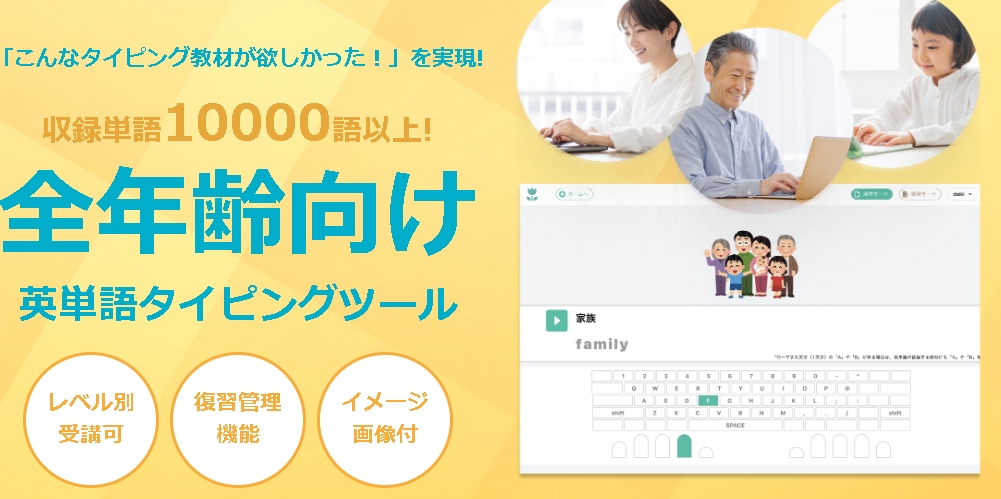
単語学習、聞き取り学習、タイピング練習はもちろん。
できなかった部分だけを重点的に学習できるように復習機能もついています。
また、中1レベルからTOEIC900点クラスまで網羅している為
無料お試し版がご利用いただけますので