Best Pokies in Sydney 2026: A Cynic’s Guide to Not Losing Your Rent Money
Forget the brochures. The best pokies in Sydney 2026 aren’t about finding some magical machine that’s “due” for a payout. It’s about navigating a landscape of mathematical certainties and marketing fluff with your wallet intact. The average Australian loses around $1,200 per year on poker machines, a figure that’s been climbing steadily. This guide isn’t about chasing that loss; it’s about understanding the cold mechanics of the game in Sydney’s clubs and hotels, and maybe, just maybe, having a shred of fun without funding a new wing for the local RSL. We’ll look at the machines themselves, the venues, the laws, and the brutal math that the “free” spin promotions hope you’ll ignore.
The Legal Framework: It’s Not a Suggestion, It’s the Law
Before you even think about touching a lever or tapping a screen, understand the rules. In New South Wales, the governing body is Liquor & Gaming NSW. They don’t set the machines to be “fair” in the way you think; they set the rules of engagement. The minimum theoretical payout percentage, or RTP, for electronic gaming machines in NSW clubs is 85%. That’s the floor, not the ceiling. A venue can set a machine to 90%, 92%, or even 95%, but it’s under no obligation to tell you which one you’re playing. This single fact changes everything about your “strategy.”
The laws are also about harm minimization. You’ll see pre-commitment systems, where you can set a loss limit before you start playing. It’s a tool, but one that requires you to be honest with yourself—a rare commodity in a casino environment. Cashless gaming is another big push, moving away from the hypnotic clink of coins to a tap-and-forget card system. The stated goal is to make spending less tangible. The cynical view is that it simply removes a natural pause point where you might have reconsidered your next spin. Both systems are mandatory for venues above a certain size, and they’re non-negotiable parts of the Sydney pokie experience in 2026.
Operating hours are another hard rule. In NSW, gaming rooms in clubs can operate from 10 am to midnight, Monday to Saturday, and from 10 am to 10 pm on Sundays and public holidays. Hotels have slightly different, often more restricted, hours. These aren’t suggestions; they’re enforced. Getting ejected for playing outside licensed hours is a real possibility, and it’s the least of your worries if you’re on a losing streak. The system is designed to create a controlled environment, not a 24/7 free-for-all.
And then there’s the tax. The NSW Government levies a poker machine tax of 35.91% on net gaming revenue for clubs and 32.5% for hotels. This isn’t a secret. That money funds community projects, infrastructure, and, yes, the very regulatory body that oversees the machines. Every dollar you feed into a pokie is already sliced up before it even has a chance to be “won” back by someone else. The house edge isn’t just a concept; it’s a legislated, taxed, and regulated reality.
Understanding the Machines: RTP, Volatility, and the Illusion of Choice
Walk into any Sydney club and you’ll face a wall of flashing lights and promises. The key terms you need to know are RTP (Return to Player) and Volatility. RTP is the percentage of all wagered money a machine will pay back to players over millions of spins. A 92% RTP means for every $100 wagered, the machine is programmed to return $92, on average, over an infinite timeframe. The catch? That average is calculated over millions of spins, not the 200 you’re planning to play. Your personal RTP for a session could be 0% or 200%. That’s volatility.
Volatility is the risk profile of the machine. Low volatility pokies pay out small wins frequently. They’re designed to keep you playing longer, bleeding your balance slowly. High volatility machines are the opposite: long dry spells punctuated by the occasional larger payout. They’re the ones that create the stories of “big wins” that venues love to advertise. The “best” pokie for you depends entirely on your goal. Are you trying to stretch a $50 note for an hour of entertainment? Low volatility. Are you chasing a life-changing jackpot with money you can afford to burn? High volatility. There’s no right answer, only different ways to lose.
Plinko Casino Australia 2026: A Veteran’s Unfiltered Guide to the Digital Pachinko Trap
The number of reels and paylines is mostly cosmetic. A 5-reel, 243-ways-to-win machine isn’t inherently “better” than a classic 3-reel, 1-payline game. It’s just a different way to calculate wins. The underlying math, the RNG (Random Number Generator), is the same. That RNG is certified and audited, ensuring each spin is independent. The machine has no memory. It doesn’t know you’ve just lost $100. It doesn’t care. The “hot machine” or “cold machine” theory is pure gambler’s fallacy, a comforting lie we tell ourselves to justify chasing losses.
Jackpots are the main lure. In NSW, there are two types: standalone and linked. A standalone jackpot is only fed by the machines in that specific bank. A linked jackpot, often called a “community jackpot,” pools money from machines across a venue or even multiple venues. The odds of hitting a major linked jackpot are astronomically low—often in the millions to one. You’re more likely to be struck by lightning while being eaten by a shark. But the ticket price is just a few cents per spin, so the dream persists. The “best” pokies often have the most enticing jackpot displays, but remember: someone has to win it, and the statistical likelihood of that someone being you is negligible.
Sydney’s Venue Landscape: Clubs, Hotels, and the Suburban Pokie Den
Sydney’s pokie scene is dominated by two types of venues: registered clubs and hotels. Clubs are the heavyweights. Think of the massive RSLs, Leagues Clubs, and Workers Clubs in the suburbs. They’re non-profit by structure, with profits reinvested into the club and community. This is where you’ll find the largest gaming rooms, the most machines, and the biggest linked jackpots. Venues like the Revesby Workers Club or the Canterbury-Hurlstone Park RSL are pokie palaces. They offer dining, entertainment, and a vast, often overwhelming, selection of machines. The atmosphere is less “casino glitz” and more “suburban community centre with a serious gambling habit.”
Hotels, on the other hand, are for-profit businesses. Their gaming rooms are usually smaller, more intimate, and often integrated into the pub environment. The machine selection might be more curated, and the vibe less overwhelming. However, their operating hours are more restricted. For a quick session with a beer, a hotel can be a more focused experience. The trade-off is often a smaller selection of machines and potentially less generous jackpot pools compared to the big clubs. The choice between a club and a hotel is less about the machines themselves and more about the environment you prefer to lose money in.
The “best” venues aren’t just about the number of machines. It’s about the RTP settings the venue chooses. Some clubs are known for being more generous, setting their machines to the higher end of the allowed RTP spectrum (say, 92-95%) to attract players. Others stick closer to the 85% minimum. This information isn’t publicly advertised; it’s gathered through player experience and word-of-mouth. A venue’s reputation for “loose” or “tight” machines is a real factor in the Sydney pokie community. Do your research, or better yet, talk to regulars. Their anecdotes, while anecdotal, are often more telling than any official statistic.
Location also plays a role. Venues in high-traffic tourist areas like Darling Harbour or The Rocks might have different dynamics than a suburban club in Penrith or Bankstown. Tourist-heavy venues might have higher minimum bets or a different mix of machines, catering to a transient crowd. Suburban clubs often have a loyal, local clientele and might be more inclined to maintain “goodwill” through slightly better machine settings. The “best” pokie venue in Sydney is highly subjective and depends on whether you value variety, atmosphere, perceived generosity, or convenience.
Top Pokies to Look For in Sydney Venues (2026)
Forget the flashy titles. The “best” pokies are the ones that align with your risk tolerance and bankroll. Here’s a breakdown of machine types you’ll encounter, not as recommendations, but as categories with distinct mathematical personalities.
Classic 3-Reel Games: These are the simplest. One payline, maybe three. They’re fast, brutal, and have a high volatility profile. Wins are less frequent, but when they hit, they can be significant relative to your bet. They appeal to purists who want a straightforward, no-frills experience. The RTP can vary wildly, so these are a gamble within a gamble. They’re the financial equivalent of a short, sharp shock.
Video Pokies with Bonus Rounds: This is the bulk of the market. Five reels, multiple paylines (20, 50, 100+), and the main attraction: interactive bonus games. These bonuses—pick-a-box, free spin rounds, wheel spins—are where the game’s volatility is often concentrated. The base game might drip-feed small wins, but the real payout potential is locked in the bonus. The catch is that triggering the bonus is rare. You might spin 200 times without seeing it. The advertised RTP includes the bonus rounds, so playing without hitting them means you’re effectively playing a machine with a much lower return.
Linked Jackpot Games: These are the ones with the giant, ever-climbing digital displays showing a prize in the millions. They’re almost always high volatility. The jackpot contribution is a small percentage of each bet, so you’re funding a dream that’s statistically improbable. The base game RTP is often lower to compensate for the jackpot pool. Playing these is a pure lottery ticket purchase. The “best” strategy is to set a strict budget and walk away when it’s gone, because the odds of winning the jackpot are roughly equivalent to finding a specific grain of sand on Bondi Beach.
Theme-Based Licensed Games: Think movie or TV show tie-ins. They’re popular because of the familiar branding, not superior math. The theme is a skin over the same RNG and payout structure. A “Game of Thrones” pokie isn’t inherently better or worse than a generic “Treasure Hunt” game. The theme is marketing. The underlying math is what matters. Don’t let the familiar characters fool you into thinking the machine is “luckier.” It’s not. It’s just wearing a costume.
Payment Methods and Withdrawal Speeds: The Unsexy Truth
In 2026, the way you fund your play and get your winnings is increasingly cashless. For pokies in a physical Sydney venue, it’s almost exclusively about the player card or ticket-in, ticket-out (TITO) system. You load money onto a card or insert cash to get a ticket. Winnings are printed on a ticket you insert into another machine or cash out at a kiosk. The speed is instant. The money goes from your hand to the machine in seconds. Getting it back out is equally fast. The psychological barrier is minimal, which is precisely the point from a harm-minimization perspective.
The real friction comes with online casinos, which are illegal in Australia for operators to offer, but that’s a different legal minefield. For physical venues, the “withdrawal” is just cashing out a ticket. There’s no 24-48 hour processing time. It’s immediate. This immediacy is a double-edged sword. It means you can instantly reinvest your winnings (or your remaining balance) into another machine. There’s no cooling-off period. The system is designed for seamless play, not for making you stop and think.
For clubs that offer other services, like restaurants or bars, your player card might be linked to a membership account. Winnings can sometimes be credited to this account for use within the venue. This is another way to keep the money circulating within the ecosystem. The “best” practice is to treat any winnings as separate from your operating capital. Cash out, put the ticket in your pocket, and only use fresh money for the next session. It’s a simple discipline that most people fail to maintain.
ATMs are still present in most venues, but their use is heavily regulated. There are limits on withdrawal amounts per transaction and per day. The fees are often higher than at a bank ATM. Using an ATM in a pokie venue is a red flag for problem gambling. It’s a sign that you’ve exceeded your pre-set budget. The most effective payment method is the one you set before you walk in: a fixed amount of cash in your pocket. When it’s gone, you’re done. No cards, no tickets, no ATMs. Just discipline.
Criteria for Choosing a Venue and Machine: A Methodology
Choosing where to play isn’t about finding a “lucky” spot. It’s a risk assessment. Start with the venue’s reputation. Ask locals. Check online forums (the ones not sponsored by the venues). A club known for having “tight” machines is telling you their RTP is likely closer to the 85% minimum. A venue with a reputation for “loose” machines might be setting them to 90% or above. This isn’t guaranteed, but it’s a data point.
Next, look at the machine mix. A venue with a high proportion of older, classic machines might be catering to a different crowd than one filled with the latest video pokies with complex bonus rounds. Older machines often have simpler math and can be less volatile. Newer machines are designed to be more engaging, with more features that increase volatility and the “time on device.” Your choice should reflect your preference for simplicity versus complexity.
Consider the environment. Is it well-lit? Are the chairs comfortable? Is the air quality decent? These aren’t trivial concerns. A comfortable environment encourages longer play sessions. If you’re serious about limiting your losses, choose a venue that’s functional but not plush. You’re there to play a game of chance, not to relax in a luxury lounge. The more comfortable you are, the more likely you are to lose track of time and money.
Finally, observe the crowd. A venue packed with serious, quiet players might have a different vibe than one with a rowdy, social atmosphere. The social aspect can be a distraction from the financial reality. The “best” venue for a disciplined player might be the one that’s the least exciting. It’s a place to execute your predetermined plan, not to get swept up in the energy of the room. The goal is to make a rational decision in an environment designed to provoke irrational ones.
New Casinos and Venue Developments in Sydney (2026)
Sydney’s casino landscape is in flux. The big story is the ongoing saga of the new casino developments and their impact on the broader pokie market. The opening of major integrated resorts has changed the competitive dynamics. While these are full-scale casinos, their presence influences the entire entertainment and gambling sector. They draw high-rollers and tourists, potentially leaving the suburban pokie scene to the local regulars. The “best” new venue might not be the flashiest one, but the one that best understands its local market.
Best Online Casinos with Big Jackpot Slots 2026: A Cynic’s Guide to Chasing Digital Gold
For clubs and hotels, the competition from the big casinos means they have to offer something different. This often translates to better loyalty programs, more community events, and, sometimes, more generous machine settings to retain their core clientele. The “new” in this context isn’t about a brand-new building; it’s about new strategies. A club that recently renovated its gaming room or invested in a new linked jackpot system is making a play for your attention. Their “newness” is a marketing tool, not a guarantee of better odds.
Keep an eye on regulatory changes. Liquor & Gaming NSW is constantly reviewing its policies. New harm-minimization measures, like stricter pre-commitment systems or lower maximum bet limits, can change the pokie experience overnight. A “new” regulation can make a previously popular machine type obsolete or alter the economics of playing at a certain venue. Staying informed about the legal framework is as important as knowing the machines. The rules of the game can change, and you need to adapt.
The most significant “new” development might be technological. The push towards fully cashless systems and digital player tracking is accelerating. This allows venues to offer more personalized promotions and track player behavior with unprecedented granularity. For the player, this means more targeted “offers” and a more seamless, but also more monitored, experience. The future is one of greater convenience and greater surveillance. The “best” venues will be those that balance this technology with a genuine respect for their patrons’ wallets.
Responsible Gambling: The Only Strategy That Actually Works
All the talk of RTP, volatility, and venue selection is secondary to this: set a limit and stick to it. This is the single most important piece of advice. Before you enter a venue, decide on a loss limit. This is money you are fully prepared to lose, like paying for a movie ticket or a concert. Once it’s gone, you leave. No exceptions. No “just one more spin.” No ATM runs. The limit is absolute.
Time is another limit. Decide how long you’ll play. An hour, maybe two. Set an alarm on your phone. When it goes off, cash out whatever you have left and walk away. The pokie environment is designed to distort your sense of time. There are no windows, no clocks, and the constant sensory input keeps you in a trance-like state. Imposing an external time constraint is a necessary act of rebellion against this design.
Use the available tools. The pre-commitment system isn’t a suggestion; it’s a powerful tool for enforcing your own limits. Set it beforeyou play. Be honest with yourself. If you find yourself chasing losses, borrowing money, or lying about how much you’ve spent, those are not signs of bad luck. They are signs of a problem. The Responsible Gambling Council and similar organizations offer free, confidential support. Using them isn’t a sign of weakness; it’s the smartest move a player can make. The only winning move is sometimes not to play at all, or to play with a level of discipline that feels almost robotic. Treat it as entertainment with a cost, not an investment strategy. The moment it stops being fun, or the moment the math stops making sense to your wallet, you stop. It’s that simple, and that hard.
What is the minimum payout percentage for pokies in NSW?
The legal minimum theoretical payout percentage, or RTP, for electronic gaming machines in New South Wales is 85%. This is a floor, not a target. Venues can and do set their machines higher, sometimes into the low-to-mid 90s, but they are not required to disclose the specific RTP of any individual machine. The 85% figure is a regulatory guarantee that over millions of spins, the machine will return at least that amount to the collective player pool. For your individual session, this number is largely academic; your actual return will be determined by the volatility of the machine and pure chance.
Are pokie machines in Sydney rigged?
No, they are not rigged in the sense of being illegally manipulated. They are, however, designed with a mathematical house edge. Every machine uses a certified Random Number Generator (RNG) to determine the outcome of each spin, ensuring it is random and independent of previous results. The “rigging” is in the math: the probability of winning is always less than the probability of losing, and this edge is built into the game’s design and regulated by the government. The machine has no memory and does not “tighten up” after a jackpot. It’s pure, cold probability.
Can I set a loss limit on a pokie machine?
Yes, and you absolutely should. Under NSW regulations, many venues offer pre-commitment systems. This allows you to set a maximum loss limit on your player card before you begin a session. Once you reach that limit, the machine will lock you out for a predetermined period. This is one of the most effective harm-minimization tools available. It forces you to make a rational decision about your budget before the emotional and sensory environment of the gaming room can influence you. Using it is a sign of a disciplined player.
What’s the difference between a club and a hotel pokie room?
The primary differences are in scale, hours, and profit motive. Registered clubs are typically larger, non-profit venues with extensive gaming rooms and often linked jackpots that pool money across many machines. They can operate from 10 am to midnight. Hotels are for-profit businesses with smaller, more integrated gaming rooms and more restricted operating hours. The machine selection and atmosphere differ, with clubs often feeling more like dedicated gaming centres and hotels offering a more casual, pub-based experience. The underlying machines and regulations are the same.
How do I know if a pokie machine is “loose” or “tight”?
You don’t, not with any certainty. Venues are not required to publish the RTP of individual machines. The terms “loose” and “tight” are player slang based on anecdotal experience and word-of-mouth. A “loose” machine is perceived to pay out more frequently, suggesting a higher RTP setting. A “tight” machine feels like it eats your money faster. Your best bet is to talk to regular players at a venue or observe patterns over time, but remember: short-term results are not a reliable indicator of a machine’s long-term programmed payout percentage. It’s all variance.
The entire experience hinges on a single, mundane detail that most people overlook: the chair. If the chair in front of your chosen machine is uncomfortable, you’ll play for a shorter time. That’s probably the best thing that could happen to you.
The venue’s lighting is another deliberate choice. Bright, even lighting in the gaming room is a regulatory requirement for surveillance, but it also prevents the cozy, time-warping darkness of a traditional casino floor. You can see the clock on the wall. You can see the exit sign. This clarity is a subtle form of control, a reminder that you are in a regulated public space, not a private playground. The “best” environment for your wallet is the one that feels the most sterile and transactional.
Consider the background noise. The constant jingle of winning machines, the murmur of conversation, the clink of glasses—it’s a carefully curated soundscape. It’s designed to normalize the act of playing, to make it feel like a communal, everyday activity. The most effective way to counter this is to wear headphones and listen to something completely unrelated. Podcasts about finance, perhaps. Or the sound of a piggy bank being smashed. Anything to break the auditory spell and reconnect you with the reality of what you’re doing: feeding a machine that is mathematically designed to take your money.
Even the temperature is part of the equation. A slightly cool room keeps you alert and comfortable for longer. A stuffy, warm room might make you leave sooner, which is actually better for your bottom line. The “ideal” playing conditions from the venue’s perspective are the ones that maximize your time and spend. Your ideal conditions are the opposite: slightly uncomfortable, a bit boring, and with clear reminders of the outside world. The goal is to make the pokie room feel like a place you’re visiting for a specific, limited purpose, not a second home.
And finally, the most mundane detail of all: the carpet. It’s almost always a loud, patterned monstrosity. This isn’t an accident. The busy patterns are chosen to hide stains and wear, but they also serve to disorient the eye, making it harder to focus on anything for too long except the bright screen in front of you. It’s a small, subconscious trick in a room full of them. Noticing the carpet is the first step to breaking the spell. It’s a reminder that you’re in a manufactured environment, designed with a single, profitable purpose in mind. The best pokie in Sydney is the one you’re smart enough to walk past.
And finally, the most mundane detail of all: the carpet. It’s almost always a loud, patterned monstrosity. This isn’t an accident. The busy patterns are chosen to hide stains and wear, but they also serve to disorient the eye, making it harder to focus on anything for too long except the bright screen in front of you. It’s a small, subconscious trick in a room full of them. Noticing the carpet is the first step to breaking the spell. It’s a reminder that you’re in a manufactured environment, designed with a single, profitable purpose in mind.
The best pokie in Sydney is the one you’re smart enough to walk past. The second best is the one where you cash out your ticket the moment you hit a modest win, before the machine’s hypnotic rhythm pulls you back in for “just one more spin.” The third best doesn’t exist, because the house always wins in the end. Your only real choice is how much of your money you let them have before you remember that.
What Is the Best Time of Day to Play Pokies in Sydney?
There is no statistically “best” time to play. The Random Number Generator doesn’t care if it’s 2 pm on a Tuesday or 3 am on a Saturday. However, venue traffic patterns can indirectly affect your experience. During peak hours—Friday and Saturday nights, for example—the gaming room is crowded, the atmosphere is more charged, and you might feel pressured to play faster to keep up with the rhythm of those around you. Off-peak hours, like a quiet Tuesday morning, offer a more solitary, less pressured environment. This can be better for discipline, but it also means any linked jackpots will have been accumulating for less time since the last win. The “best” time is when you are most clear-headed and least susceptible to the crowd’s energy.
Can I Use a Player Card Across Different Venues?
Generally, no. Player loyalty cards are typically specific to a single club or hotel group. A card from the Revesby Workers Club won’t work at the Canterbury-Hurlstone Park RSL. This fragmentation is deliberate. It keeps your play data and loyalty points within a specific ecosystem, encouraging you to return to that venue. Some larger club networks or state-wide linked jackpot systems might have a degree of interoperability for jackpot tracking, but for earning points and accessing promotions, your card is a local key. This means managing multiple cards if you frequent different venues, each one a separate record of your spending habits.
What Happens If a Machine Malfunctions?
If a machine malfunctions during play—say, it freezes, fails to register a win, or behaves erratically—the outcome is determined by the venue’s procedures. Legally, all spins and their results are recorded on a central server. If the machine’s display doesn’t match the server’s record, the server’s data is what counts. If you had a winning combination on a frozen screen but the server shows a loss, you get nothing. If the server shows a win but the machine didn’t pay out, you’re entitled to the correct amount. Always call an attendant immediately. Do not keep playing on a malfunctioning machine. The process is bureaucratic and relies on electronic logs, not your memory of what the screen showed.
The attendant will likely need to reboot the machine and contact a technician or supervisor. You may be asked to fill out a form. The entire process is designed to protect the venue from fraud and error. Your best protection is to note the time, machine number, and what happened before calling for help. In the end, the machine’s internal log is the final arbiter. Your word against a certified electronic record is not a bet worth taking.
This reality underscores a key point: the machine is not your friend. It’s a computer program executing a script. When it glitches, you’re at the mercy of its logs and the venue’s willingness to interpret them in your favor. The “best” outcome in a malfunction is getting what you were legitimately owed, which can take time and patience. The worst is getting nothing and feeling cheated. Both outcomes are stressful and detract from any notion of entertainment. A machine that works perfectly is, paradoxically, the one most likely to take your money in the most predictable way.
So, the best pokie in Sydney isn’t about the theme, the jackpot display, or the chair. It’s about the one that doesn’t malfunction, doesn’t lure you into a three-hour trance, and pays out just enough to let you leave with your dignity—and maybe a few dollars—intact. The real skill isn’t in picking the machine. It’s in knowing when to stop playing it.
So, the best pokie in Sydney isn’t about the theme, the jackpot display, or the chair. It’s about the one that doesn’t malfunction, doesn’t lure you into a three-hour trance, and pays out just enough to let you leave with your dignity—and maybe a few dollars—intact. The real skill isn’t in picking the machine. It’s in knowing when to stop playing it.
The final, most overlooked detail is the cup holder. It’s positioned at exactly the wrong height to avoid knocking your drink over when you reach for the spin button. It’s a small, engineered annoyance, a final little friction point in a system designed for frictionless spending. The best pokie in Sydney is the one where the cup holder doesn’t cause you to spill your overpriced beer on your lap, forcing you to leave in a damp, embarrassed huff. That’s a win.
The most overlooked detail is the cup holder. It’s positioned at exactly the wrong height to avoid knocking your drink over when you reach for the spin button. It’s a small, engineered annoyance, a final little friction point in a system designed for frictionless spending. The best pokie in Sydney is the one where the cup holder doesn’t cause you to spill your overpriced beer on your lap, forcing you to leave in a damp, embarrassed huff. That’s a win.
The cup holder is a trap. It’s placed at a height that guarantees a spill if you reach for the bet button with any urgency. This forces a pause. A moment to look at the sticky ring forming on the machine’s console, to consider the state of your shirt, to remember that you’re sitting in a plastic chair under fluorescent lights, feeding coins into a box that’s designed to give back less than it takes. That pause is the most valuable feature any pokie machine in Sydney has. It’s the only bonus round that pays out in clarity.
The entire system, from the 85% minimum RTP to the cashless card to the strategically uncomfortable carpet, is a machine for extracting money with minimal resistance. Your only defense is a series of deliberate, boring, and often unpleasant choices. Choosing a venue based on its reputation for higher RTPs, not its flashy new renovations. Choosing a low-volatility machine because you want to play for an hour, not because you’re chasing a jackpot that will never come. Choosing to set a loss limit and treating it like a physical boundary, not a suggestion. Choosing to cash out a $50 win and walk out into the daylight, even though every instinct screams to turn it into $100.
The “best” pokie in Sydney is a myth. There is only the machine, the math, and you. The machine is indifferent. The math is immutable. You are the only variable. And the most profitable thing you can do, for yourself and against the house, is to be the variable that walks away. The final, most mundane detail is the receipt printer. It spits out your winning ticket with a cheerful little chime, a sound engineered to signal success. But it’s just paper. It’s not money yet. It’s a claim on money that the venue will happily give you, so you can walk to the next machine and feed it right back in. The best pokie is the one whose receipt you take to the cashier, not the next game.
The “best” pokie in Sydney is a myth. There is only the machine, the math, and you. The machine is indifferent. The math is immutable. You are the only variable. And the most profitable thing you can do, for yourself and against the house, is to be the variable that walks away. The final, most mundane detail is the receipt printer. It spits out your winning ticket with a cheerful little chime, a sound engineered to signal success. But it’s just paper. It’s not money yet. It’s a claim on money that the venue will happily give you, so you can walk to the next machine and feed it right back in. The best pokie is the one whose receipt you take to the cashier, not the next game.
The Math Behind the “Free” Promotions and Bonuses
Let’s dissect the anatomy of a casino promotion with the cold precision it deserves. The term “free” in this context is a linguistic contortion, a word stripped of its meaning and repurposed as bait. A “free” spin, for instance, is rarely free. It’s almost always conditional on a deposit, a wagering requirement, or a loss limit you’ve already agreed to. The cost is simply deferred or obscured. A typical offer might be “100 Free Spins on Starburst.” What they don’t shout about is the 35x wagering requirement attached to any winnings from those spins. Win $100? You must now wager $3,500 before you can withdraw a single dollar. The house edge on that subsequent play means you’ll likely turn that $100 win into $0 long before you clear the requirement. The “free” spin is a loan with an interest rate that would make a loan shark blush.
Deposit match bonuses follow the same grim logic. A “100% Match up to $500” sounds like the venue is doubling your money. In reality, they’re giving you a loan of bonus funds with strings attached. Those strings are the wagering requirements, game weightings (pokies often contribute 100%, but table games might contribute 10%), and maximum bet limits while playing with bonus funds. The effective value of a $500 bonus with a 40x wagering requirement is not $500. It’s the expected value of that $500 after accounting for the house edge during the wagering process. For a pokie with a 4% house edge, the expected loss while wagering $20,000 (40x $500) is $800. You start with a $500 bonus and are expected to lose $800. The bonus has a negative expected value. It’s a marketing trick, not a gift.
Loyalty programs and VIP tiers are the long game. They offer points for every dollar wagered, which can be redeemed for cash, credits, or “perks.” The conversion rate is deliberately opaque. A common structure might be 1 point per $10 wagered on pokies, with 1,000 points redeemable for $1 in cash. That’s a 0.1% return. To earn a “free” $10 meal, you’d need to wager $100,000. The expected loss on that amount, at a 4% house edge, is $4,000. You paid $4,000 for a $10 meal. The “VIP treatment” is a cheap motel with a fresh coat of paint. The real perk for the venue is the data they collect on your play patterns, which allows them to tailor offers that keep you playing longer and more frequently.
Cashback offers are perhaps the most psychologically cunning. “Get 10% of your losses back as a bonus.” This softens the blow of a losing session, making it feel less final. But the cashback is almost always paid as bonus funds with, you guessed it, wagering requirements. It’s not a refund; it’s a coupon for future losses. It keeps you in the ecosystem, chasing the recovery of your losses with house money that is, itself, house money. The cycle is designed to be self-perpetuating. The only way to win is to not play the game at all, or to play with such rigid discipline that you treat every promotion as the mathematical trap it is.
Online vs. Physical Pokies: The Sydney Context
In Australia, the legal situation is stark. It is illegal for online casinos to offer their services to Australian residents. The Interactive Gambling Act 2001 (IGA) and its subsequent amendments make it a crime for operators to provide real-money online casino games, including pokies, to people in Australia. This means the “best pokies in Sydney” are, by definition, physical machines in licensed clubs and hotels. Any website offering you online pokies for real money is operating illegally, and playing on it offers you zero consumer protection. Your funds are not guaranteed, the games are not audited by NSW authorities, and you have no recourse if you’re cheated.
The physical pokie, therefore, has a monopoly on the legal market in Sydney. This monopoly is protected by the state government, which earns significant tax revenue from it. The arguments for this model are harm minimization and control. In a physical venue, staff can observe your behavior, intervene if you appear distressed, and enforce self-exclusion orders. The pre-commitment systems are tied to your physical player card. All these controls vanish in the unregulated online world. The physical venue is a controlled environment; the online space is the Wild West.
For the player, this means the choice isn’t between a physical and an online pokie. It’s between a physical pokie in a regulated venue and breaking the law to play on an offshore site with no protections. The comparison is moot. The “best” pokie in Sydney is a physical one, because it’s the only legal option. The online alternatives are not alternatives at all; they’re risks with no upside. The law has made the decision for you. Your task is to navigate the physical landscape with your eyes open.
The experience is fundamentally different anyway. The physical pokie is a social, sensory event. The sounds, the lights, the presence of other people, the act of inserting a ticket or pressing a physical button—these are all part of the experience. The online pokie is a solitary, disembodied interaction with a screen. The lack of physical friction in online play makes it easier to lose track of time and money. The physical venue, for all its engineered traps, at least forces you to get up, travel there, and exist in a real space. That friction is, ironically, a form of protection.
Strategies That Don’t Work (And Why People Keep Trying Them)
The “Hot Machine” theory is the most persistent myth. The belief that a machine that hasn’t paid out in a while is “due” for a win is a classic example of the gambler’s fallacy. Each spin is an independent event. The RNG doesn’t have a memory. A machine that has just paid a jackpot is no less likely to pay another one on the very next spin than a machine that hasn’t paid out in weeks. The odds are identical. People keep trying this strategy because it provides a narrative, a reason for their choice. It feels like research, like they’ve found a pattern in the chaos. They haven’t. They’ve just found a comforting story to tell themselves.
The “Bet Max to Win the Jackpot” strategy is another trap. Many progressive jackpot pokies require a maximum bet to be eligible for the top prize. This is a rule designed to increase the average bet size and, therefore, the venue’s revenue. Betting the maximum on every spin dramatically increases your rate of loss. The expected loss per spin on a $1 machine at max bet ($5) is five times higher than on a $1 machine at min bet ($1). The chance of winning the jackpot increases, but the cost of chasing it increases proportionally. For most players, the math is devastating. You’re paying a premium for a lottery ticket with terrible odds.
The “Session Bankroll” strategy, while better than no strategy at all, is often misapplied. A player might decide to bring $200 for a session and play until it’s gone. This is a loss limit, which is good. But the failure comes in the execution. When the $200 is gone, the “just one more spin” urge kicks in. Or they hit an ATM. The strategy is sound; the human psychology is weak. The most effective version of this strategy is to leave the bank card at home. Bring only the cash you’re willing to lose. When the cash is gone, you’re physically unable to continue. It’s a brute-force solution to a psychological problem.
The “Pattern Recognition” strategy involves watching machines to see if they’re in a “paying” cycle. This is pure superstition. The patterns you see are the result of random chance, not a predictable cycle. You’re seeing shapes in static. The human brain is wired to find patterns, even where none exist. This evolutionary trait is a liability in a casino. The machine doesn’t have a cycle. It has a random number generator and a payout table. That’s it. The rest is your imagination, actively working against your wallet.
The Role of Alcohol and Atmosphere
Free or cheap alcohol is a standard feature in Sydney’s club pokie rooms. It’s not a perk; it’s a tool. Alcohol lowers inhibitions, impairs judgment, and distorts risk perception. A player who is slightly intoxicated is more likely to chase losses, bet higher amounts, and play for longer than a sober player. The venue provides the alcohol to keep you in the chair and at the machine. The “free” drink is an investment in your poor decision-making. The cost is factored into the overall house edge of the operation.
The atmosphere is meticulously engineered. The lighting is bright enough to keep you alert but not so harsh as to be uncomfortable. The temperature is cool. The sound is a constant, low-level hum of machine noises, punctuated by the occasional chime of a win. This chime is important. It’s an auditory signal of success, designed to trigger a dopamine response in you and everyone nearby. It creates the illusion that winning is common, that the next big payout is just around the corner. The losses are silent. The wins are loud. This selective feedback loop is a core part of the machine’s design.
The layout of the gaming room is also strategic. Machines are arranged in banks and carousels to create a sense of community and shared experience. The most popular or newest machines are often placed in high-traffic areas to draw a crowd. A crowd attracts more players. It’s social proof in action. The “best” pokie, from the venue’s perspective, is the one that’s in the center of the action, the one that looks like it’s paying out because someone is always playing it. The machine’s location is a marketing decision, not a reflection of its generosity.
The absence of clocks and windows is the most famous trick, and it still works. It removes external time cues, making it easy to lose hours in what feels like minutes. Your phone has a clock, of course, but checking it breaks the spell. The venue wants you in a state of flow, where the only reality is the spinning reels. The most effective counter is to set a loud, undeniable alarm on your phone. Not a gentle chime, but a blaring siren. Something that shatters the atmosphere and forces you to confront the passage of time and the state of your balance.
What to Do After a Big Win (The Part Nobody Talks About)
The immediate aftermath of a significant win is the most dangerous moment in a gambling session. The adrenaline spike, the flood of endorphins, the sudden feeling of invincibility—it’s a potent cocktail that impairs judgment more effectively than alcohol. The venue knows this. They might offer you a “celebratory” drink. They might have a staff member come over and congratulate you, subtly encouraging you to keep playing. The win is not the end of the session; for the venue, it’s the beginning of the next one, where you’re likely to give back a portion or all of your winnings.
The correct, disciplined action is to cash out immediately. Not some of it. All of it. Take the ticket to the cashier. Convert the digital number into physical cash. Put the cash in your wallet, zip it shut, and leave the venue. The physical act of cashing out creates a barrier between the win and the next bet. It turns the abstract number on the screen into real money, which is much harder to hand back to a machine. The “best” pokie after a big win is the one you’re no longer sitting in front of.
If you must continue playing, set a hard rule before you touch the winnings. A common one is to play only with your original stake. Pocket the entire win. This way, the worst-case scenario is that you break even for the session. It’s a psychologically powerful position. You’ve already “won” by securing the profit. Any further play is with money you were already prepared to lose. This compartmentalization is difficult but essential. The moment you start mixing winnings with your playing bankroll, you’ve already lost the mental battle.
And whatever you do, don’t tell anyone in the venue about your win. The moment you become known as a “winner,” you become a target for more marketing, more offers, and more attention. The quiet player who cashes out and leaves is invisible. The loud player who wins big is a marketing asset. They’ll use your win to encourage others. They’ll remember you. And they’ll be waiting for your return, ready to offer you a “loyalty bonus” that’s really just a lure to get you to play back your winnings. The best win is a quiet one.
How Do Venue Loyalty Programs Actually Work?
A venue loyalty program is a data collection system disguised as a rewards program. When you sign up for a player’s card, you’re not just getting points for play; you’re giving the venue a detailed map of your gambling habits. Every spin, every bet, every session length is logged. The points you earn are a tiny fraction of the value of this data. The venue uses it to calculate your personal “player value”—how much you’re expected to lose over time. This figure determines the type and value of the “offers” you receive. A high-value player might get a “free” buffet; a low-value player gets a generic email. The program isn’t rewarding your loyalty; it’s measuring your profitability.
Can I Play Pokies on My Phone in a Sydney Venue?
No. Under current NSW regulations, it is illegal to use a mobile phone or any other electronic device to place bets on electronic gaming machines in a licensed venue. This rule exists to prevent multiple accounts, cheating, and to maintain the integrity of the physical gaming environment. You can use your phone to check the time, read a message, or take a call, but not to interact with the pokie machine in any way. Doing so can result in your winnings being voided and your ejection from the venue. The law enforces a clear separation between the digital and physical worlds in the pokie room.
The Environmental and Social Cost
The cost of pokies in Sydney extends far beyond individual losses. The social cost includes increased rates of domestic violence, bankruptcy, mental health issues, and crime linked to problem gambling. These costs are borne by families, communities, and the public health system. The tax revenue generated by pokies, while significant, is often argued to be outweighed by these external costs. The “best” pokie, from a societal perspective, is the one that doesn’t exist. The debate over their net benefit to the community is ongoing and highly charged.
The environmental cost is less discussed but real. Each machine consumes a significant amount of electricity, running 24/7 even when not in use (to maintain the jackpot displays and attract players). The manufacturing, transportation, and disposal of these machines have a carbon footprint. A large club with 500 pokies is running a small data center in terms of power consumption. In an era of climate awareness, the energy use of the gambling industry is a footnote, but it’s a footnote with a measurable impact.
For the individual player, the social cost is the time and money diverted from other activities—family, hobbies, savings, health. The pokie room is a time machine that steals hours and returns nothing of lasting value. The “best” use of that time and money is almost anything else. The challenge is that the pokie room offers a potent, if illusory, escape from the very problems it often exacerbates. It’s a feedback loop, and the only way to break it is to recognize the trap for what it is.
The final, most overlooked cost is opportunity cost. Every dollar fed into a pokie is a dollar not invested, not saved, not spent on an experience that creates a memory. The $100 you lose in an hour could have been a nice dinner, a book, a contribution to a savings account. The pokie offers a fleeting thrill in exchange for tangible, lasting value. The trade is almost always a bad one. The “best” pokie in Sydney is the one that reminds you of this trade-off every time you look at its screen. It’s the one that makes you think, for just a second, about what else that money could do. And then you get up and walk away.
How Do I Know If I Have a Gambling Problem?
Recognizing a gambling problem often starts with a simple, honest accounting of your behavior. Key indicators include: spending more money or time on gambling than you intended; needing to gamble with increasing amounts of money to achieve the same excitement; feeling restless or irritable when trying to cut down or stop; gambling to escape problems or relieve feelings of helplessness; chasing losses; lying to conceal the extent of your gambling; jeopardizing relationships, jobs, or educational opportunities; and relying on others to bail you out of financial trouble caused by gambling. If you find yourself identifying with several of these, it’s a signal to seek help. The Responsible Gambling Council and Gambling Help NSW offer free, confidential support.
OscarSpin Casino Free Spins 2026: The Only Guide You Need Before You Waste Your Deposit
What Are the Odds of Winning a Major Jackpot?
The odds of winning a major, linked progressive jackpot on a pokie machine in Sydney are astronomically low, typically in the range of several million to one. For example, a common odds structure for a major jackpot might be 1 in 8,000,000. To put that in perspective, you are more likely to be dealt a specific hand in poker, to be struck by lightning in your lifetime, or to find a specific coin on a crowded beach. The jackpot is funded by a small percentage of every bet placed on any machine in the linked network. The prize pool grows until someone wins, at which point it resets to a base amount. The dream of winning it is what sells tickets, but the mathematical reality is that it is not a viable financial strategy.
独自に開発した
タイピングソフトを販売しております。
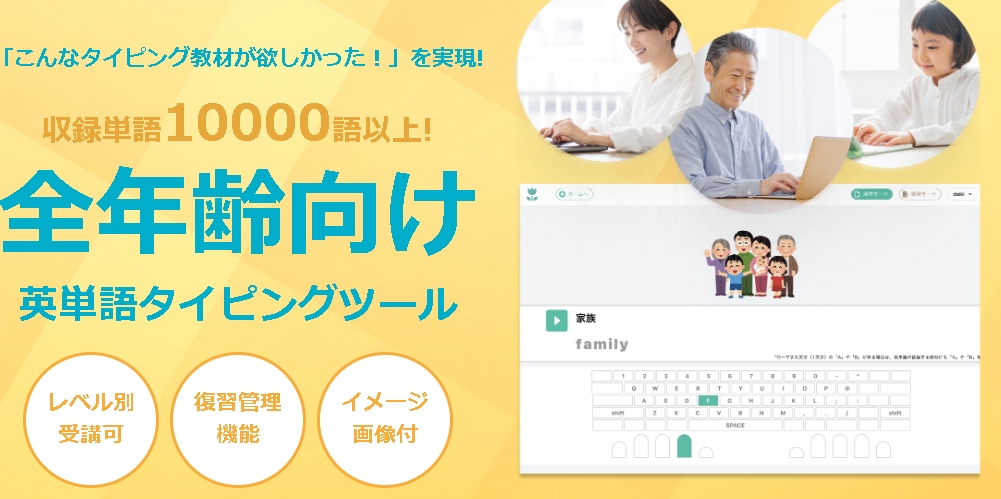
単語学習、聞き取り学習、タイピング練習はもちろん。
できなかった部分だけを重点的に学習できるように復習機能もついています。
また、中1レベルからTOEIC900点クラスまで網羅している為
無料お試し版がご利用いただけますので