Best Pokies in New South Wales (NSW) 2026: The Only Guide You Need
The search for the best pokies in New South Wales in 2026 is a quest for the least terrible option in a landscape designed to part you from your cash. Forget the glossy marketing and the promise of a life-changing jackpot. The reality is a grid of machines with pre-programmed return-to-player (RTP) percentages, housed in venues that have perfected the art of keeping you seated. Your mission, should you choose to accept it, is to navigate this environment with your wallet mostly intact. This guide cuts through the noise to examine what actually matters: the math, the mechanics, and the cold, hard logistics of playing pokies in NSW.
NSW is the undisputed heartland of poker machines in Australia. The state’s clubs and pubs are filled with them, generating billions in revenue. Understanding this ecosystem isn’t about finding a “hot” machine; it’s about understanding the regulatory framework, the technology behind the reels, and the strategies that separate the occasional player from the chronic loser. We’re not here to tell you how to win. We’re here to tell you how the game is rigged, and how to play within those constraints.
The Legal Framework: Licenses, Limits, and the Illusion of Control
Operating a pokie in NSW isn’t a free-for-all. The state government, through Liquor & Gaming NSW, oversees a strict licensing regime. Every machine must be approved, connected to a central monitoring system, and subject to regular audits. This system tracks every dollar in and every dollar out, providing a real-time ledger of a venue’s performance. The stated goal is harm minimization, a phrase that sounds noble until you see the sheer density of machines in certain suburbs.
The legal framework sets hard limits. A maximum bet of $1 per spin is the rule on all machines in clubs and hotels. This isn’t a suggestion; it’s a technological cap. Machines are physically incapable of accepting higher wagers. The maximum prize is capped at $10,000. These limits were introduced to slow the rate of loss, but for many, they simply adjust the pace of the decline. The machine’s RTP, typically between 85% and 90% in NSW, does the rest of the work over time.
Licensing is tiered. Hotels and clubs hold different classes of licenses, dictating the number of machines they can operate. A small country pub might have ten machines; a large city club could have hundreds. This concentration creates “pokie deserts” and “pokie oases,” a geographic lottery that determines your access. The revenue generated is taxed, with a significant portion earmarked for community projects—a fact often cited by industry groups to justify the social cost.
The central monitoring system is the real game-changer. It’s not just for tax collection. It allows for the enforcement of pre-commitment systems and self-exclusion registers. A player can voluntarily ban themselves from all venues. The system enforces it. But it’s a voluntary act in a world designed to encourage the opposite. The machine doesn’t care about your limits; the algorithm only cares about the long-term percentage.
How Modern Pokies Actually Work: RNG, RTP, and Volatility
Forget about “hot” and “cold” machines. That’s a myth from the era of mechanical reels. Every modern pokie in NSW runs on a Random Number Generator (RRG). This is a microchip that generates thousands of number sequences per second. The moment you press the “spin” button, the RNG selects a sequence, which corresponds to a specific outcome on the reels. The result is determined in that millisecond; the spinning animation is just theater.
The Return to Player (RTP) percentage is the critical number. It represents the theoretical amount of money a machine pays back over millions of spins. An RTP of 90% means that for every $100 wagered, the machine is programmed to return $90. The remaining $10 is the house edge. This is a long-term average. In any given session, you could win big or lose everything. The RTP is a statistical certainty only over an infinite horizon.
Volatility, or variance, is the other key metric. Low volatility machines pay out small wins frequently. High volatility machines pay out large wins rarely. The RTP can be the same for both. A high volatility game might have an RTP of 90%, but it achieves this through a few massive jackpots and long dry spells. A low volatility game achieves the same 90% through a steady stream of small, often sub-wager, payouts. Your choice depends on your bankroll and your tolerance for losing streaks.
The “pokies” in NSW are predominantly video slots, with five reels and multiple paylines. The themes are licensed from movies, TV shows, and pop culture. The bonus rounds are interactive mini-games. But beneath the flashy graphics and sound effects, the core mechanic is identical: a random number determines your fate, and the house edge ensures its long-term profit. The “free spins” bonus round is just a series of spins where you don’t pay, but the underlying RTP remains the same.
Top Pokies Venues in NSW: A Regional Breakdown
Choosing a venue isn’t about finding the “best” pokies; the machines are largely identical. It’s about the environment, the amenities, and the density of machines. A venue with a higher concentration of machines often has a more aggressive atmosphere. Here’s a look at the major hubs.
Sydney’s CBD and inner suburbs are dominated by large clubs. The Star Casino is the obvious heavyweight, but clubs like the Leagues Club in Ashfield or the Tradies Club in Gymea offer a different, more local vibe. These venues invest heavily in machine upgrades, often trialing new titles before they roll out statewide. The competition for players is fierce, leading to marginally better promotional offers, though “better” is a relative term.
Regional NSW tells a different story. In towns like Dubbo, Tamworth, or Wagga Wagga, the local RSL or Workers Club is often the social and entertainment hub. The pokie rooms are large, well-lit, and central. The pace can be slower, but the concentration of machines per capita is often higher. These venues rely heavily on pokie revenue to fund community programs, creating a complex social dynamic.
The Hunter Valley and Illawarra regions have a mix of large clubs and smaller hotel venues. The atmosphere in a pub pokie room is often more casual, but the machines are the same. The key difference is often the “atmosphere”—the noise level, the crowd, and the availability of other amenities. A venue with a good bistro and a quiet pokie room might be preferable to a loud, crowded one.
Understanding the NSW Pokies Landscape: Key Metrics
| Metric | NSW Standard / Typical Range | What It Means for You |
|---|---|---|
| Maximum Bet Limit | $1 per spin | Slows the rate of loss, but doesn’t change the house edge. |
| Maximum Prize | $10,000 | The ceiling for a single win on a standard machine. |
| Theoretical RTP | 85% – 90% | For every $100 wagered long-term, you get back $85-$90. |
| Volatility | Low, Medium, High | Determines win frequency vs. win size. High volatility = bigger swings. |
| Central Monitoring | Mandatory, real-time | All play is tracked. Enables self-exclusion and tax enforcement. |
Payment Methods and Withdrawal Speeds: The Cashless Reality
The days of feeding notes into a machine are fading. NSW is moving towards a cashless gaming model, though the transition is slow. Most venues now use player cards that link to a central account. You load money onto the card at an EFTPOS terminal or kiosk, then use it at the machine. This eliminates the need for coins and notes, but it also creates a digital trail of your spending.
Withdrawals from a player card account are typically processed back to a bank account. The speed varies. Some venues offer instant transfers; others have a 24-48 hour processing period. The move to cashless is promoted as a harm minimization tool, allowing for better tracking of spending patterns. Critics argue it just makes it easier to spend money you don’t have, removing the physical pain of handing over cash.
The minimum deposit to start playing is usually the value of the smallest note accepted by the EFTPOS terminal, often $10 or $20. There’s no minimum bet beyond the machine’s base wager, which can be as low as 20 cents per spin. The cashless system integrates with the central monitoring, providing a complete picture of a player’s activity across all venues in the state.
Comparison of Pokies Features and Regulations
| Feature | Clubs (e.g., RSL, Leagues) | Hotels / Pubs | Casino (The Star) |
|---|---|---|---|
| Typical Machine Count | High (50-500+) | Low to Medium (10-100) | Very High (1500+) |
| Atmosphere | Community-focused, often family-friendly areas | Casual, integrated with bar/dining | Dedicated gambling environment |
| Promotional Offers | Points-based rewards, meal discounts | Occasional free play promotions | Structured loyalty programs |
| Bet Limits | $1 max | $1 max | $1 max on most, higher on some table games |
| Operating Hours | Typically 10am – late | 10am – midnight or later | 24/7 |
New Casinos and Venue Upgrades in NSW for 2026
The landscape is not static. While new full-scale casino licenses are unlikely, existing venues are in a constant state of renovation. The Star Sydney is undergoing a multi-year redevelopment, which includes reconfiguring its gaming floors and adding new machine banks. This isn’t about adding more machines; it’s about optimizing the floor layout to maximize revenue per square meter.
In regional areas, the trend is towards consolidation. Smaller clubs are merging or upgrading their facilities to compete. A new machine bank with the latest titles can draw players from neighboring venues. The investment is significant, often running into millions of dollars, but the return on a successful pokie room is substantial.
The “new” in 2026 is more about technology than new buildings. Cashless systems are being refined. Facial recognition is being trialed for self-exclusion enforcement. The machines themselves are becoming more immersive, with larger screens, better sound, and more complex bonus games. The core math remains unchanged, but the presentation is constantly evolving to hold attention.
Safe Online Pokies Australia 2026: A Veteran’s Unvarnished Guide to Not Getting Burned
Responsible Gambling: Tools and Reality
NSW offers a suite of responsible gambling tools. The most significant is the National Self-Exclusion Register (NSER). A person can register to be banned from all participating venues for a minimum of 12 months. The ban is enforced through the central monitoring system; if you try to use your player card at a machine, it will be declined.
Venues are required to display signage and provide information about help services. Many offer voluntary pre-commitment, where a player can set a time or spending limit on their player card. Once the limit is reached, the card is disabled for the remainder of the session or day. The effectiveness of these tools depends entirely on the individual’s willingness to use them.
The reality is that the pokie room is designed to encourage play. The lighting, the sound, the absence of clocks and windows—all are deliberate. The responsible gambling message is a small counterpoint to a overwhelming sensory environment. The tools exist, but they require proactive use in a setting that discourages it.
What to Look For When Choosing a Pokies Venue in NSW
Since the machines are identical, your choice of venue should be based on practical factors. First, consider the atmosphere. Do you prefer a quiet, spacious room or a bustling, energetic one? The noise level can be intense, especially on weekends. A venue with good ventilation and comfortable seating can make a long session less physically draining.
Second, look at the amenities. A good bistro, clean restrooms, and easy parking are basic but important. Some clubs offer childcare facilities, which is a significant draw for parents. The availability of non-gambling entertainment, like live music or sports screenings, can provide a break.
Third, examine the machine mix. While the core mechanics are the same, the themes and bonus features vary. Some venues specialize in newer, more popular titles. Others have a higher proportion of older, lower-denomination machines. If you have a preference for a particular style of game, it’s worth checking the venue’s website or visiting during off-peak hours to survey the floor.
Are online pokies legal in NSW?
No. Online casino-style games, including pokies, are illegal to operate and offer to players within NSW under the Interactive Gambling Act 2001. The only legal online gambling options are sports betting and horse racing through licensed operators. Any website offering online pokies to NSW residents is operating illegally.
What is the best time to play pokies in NSW?
There is no “best” time. The RNG ensures every spin is random and independent. The time of day, day of the week, or how busy the venue is has zero impact on your chances of winning. The only practical consideration is that off-peak hours (weekday mornings) may offer a quieter environment and easier access to your preferred machine.
Can you actually win money on pokies in NSW?
Yes, in the short term. The RTP guarantees a loss over the long term. A player can and does win significant amounts in a single session. However, the statistical certainty is that the more you play, the closer your results will regress to the machine’s RTP. Winning is random; losing is a mathematical inevitability over time.
How are pokie winnings taxed in NSW?
For recreational players, gambling winnings are not taxed in Australia. The tax is levied on the operator, not the player. The venue pays a tax on its net gaming revenue (the difference between money wagered and money paid out). This is a crucial distinction; the government takes its cut from the house, not from your jackpot.
What does “pokie” mean?
“Pokie” is Australian and New Zealand slang for a poker machine, or slot machine. The term is derived from “poker” due to the early machines’ use of playing card symbols. It’s the universally understood term in NSW for any electronic gaming machine found in a club, pub, or casino.
The search for the best pies in NSW is ultimately a search for the most tolerable way to engage with a form of entertainment that is designed to take your money. The machines are fair in the sense that they are random and their odds are known. They are unfair in the sense that the house always has a mathematical edge. Understanding this is the first step. The second is deciding how much you’re willing to pay for the experience, because that’s what it is—a cost, not an investment. The pokie doesn’t know you, and it doesn’t care. The algorithm just keeps spinning.
How to Actually Choose a Machine (Not That It Matters Much)
Walk into any club in Parramatta or a pub in Newcastle, and you’ll face a wall of screens. The flashing lights are designed to trigger a dopamine response before you’ve even sat down. Choosing a machine isn’t about finding a “loose” one—that’s a myth that died with the mechanical reel. It’s about understanding the display on the screen. Every machine in a regulated market like NSW must display its RTP percentage, usually accessible via a help or info button. Most players ignore this. They shouldn’t.
A machine with an RTP of 92% is mathematically superior to one at 85%, assuming you play the same number of spins. The difference is subtle in a single session but massive over a year. If you wager $100 a week, the difference between 85% and 92% RTP is roughly $364 annually. That’s not a jackpot, but it’s a decent weekend away. The catch? High RTP machines often come with higher volatility. You might wait longer for a win, and the wins you do get might be smaller, balancing out the percentage.
Location within the venue matters more than the machine’s internal programming. Machines near the entrance, by the bar, or along main walkways are “prime real estate.” They’re often set to slightly higher payout rates to create the illusion of frequent wins, drawing other players in. It’s a calculated move. A player hitting a win in a visible spot is the best advertisement the venue has. Conversely, machines tucked in back corners or near restrooms often have lower RTPs. They’re relying on player inertia—you’re already seated, you’ll keep playing.
The denomination of the machine is another factor. A $1 machine typically has a higher RTP than a 20-cent machine. The logic is simple: higher denomination players wager more per spin, so the venue can afford to give back a slightly higher percentage while still maintaining its edge. But “higher RTP” doesn’t mean “better odds of winning.” It means the house edge is smaller. You’re still losing money on average; you’re just losing it slightly slower.
The Psychology of the Pokies Room: Designed to Keep You Seated
Venues are not neutral spaces. They are meticulously engineered environments. The carpet patterns are intentionally busy and somewhat garish—they’re designed to be visually uninteresting, keeping your eyes up and on the machine screens. The lighting is dim, except for the bright, focused glow of the pokie screens themselves. There are no windows. Clocks are rare. The goal is to create a timeless bubble where the outside world ceases to exist.
The sound design is critical. The constant, low-level jingle of winning sounds from nearby machines creates a “winning atmosphere.” You hear the chimes and bells of someone else’s win, which triggers a vicarious thrill and reinforces the idea that winning is common. The sounds of your own losses are often muted or disguised as neutral tones. A near-miss—two symbols matching with the third just above or below the payline—often generates a more exciting sound than a small win, encouraging you to “try again.”
The physical layout encourages prolonged play. Aisles are wide enough for easy movement but narrow enough to create a sense of density. Seating is comfortable—padded chairs with back support. Venues know that physical discomfort is a primary reason players leave. By removing that discomfort, they extend session times. The availability of food and drink, often brought directly to the machine by staff, removes another reason to get up. The message is clear: settle in.
The “free” amenities—the bistro meals, the discounted drinks, the occasional live entertainment—are not acts of charity. They are investments. The cost of a subsidized meal is trivial compared to the revenue generated by a player who stays an extra hour because they’ve eaten and are comfortable. It’s a cold calculation. The “gift” of a cheap parma is a down payment on your next hundred spins. Remember, casinos and clubs are not charities. Nobody gives away free money.
Understanding Bonus Features: Free Spins, Hold & Spin, and Jackpots
Modern video pokies are rarely just about the base game. The bonus features are where the perceived value lies, and they’re designed to be the most engaging part of the experience. The most common is the “free spins” round. Triggered by landing three or more scatter symbols, this awards a set number of spins at no cost. The catch is that the RTP of the free spins round is often lower than the base game, or the wins are capped. It’s a “free” ride, but the destination is pre-determined by the RNG.
“Hold & Spin” or “Link & Win” features have become ubiquitous. You’re awarded three spins to land special symbols. Each new symbol resets the spin count. The round ends when you run out of spins or fill the screen. The appeal is the building tension. The reality is that the feature is designed to be volatile. You might fill the screen for the top prize, or you might land just a few low-value symbols. The feature’s RTP is a fixed component of the machine’s overall RTP.
Best Paying Online Pokies Australia 2026: A Cynic’s Guide to Not Losing Everything
Jackpots come in two flavors: fixed and progressive. A fixed jackpot is a top prize set at a specific amount, like 1,000x your wager. A progressive jackpot grows with every wager placed on that machine or, in some cases, across a network of machines. The odds of hitting a major progressive are astronomically low—often in the millions to one. The jackpot is funded by a small percentage of every bet. You’re contributing to a prize pool you will almost certainly never win.
The “jackpot must be won by” feature is a newer marketing tactic. It guarantees a progressive jackpot will pay out before it reaches a certain amount. This creates urgency. But the odds are still weighted. The chance of winning increases as the jackpot grows, but it’s still a long shot. The feature ensures the jackpot is won eventually, not that you’ll be the one to win it.
Strategies That Don’t Work (And What to Do Instead)
Let’s be blunt: there is no strategy that can overcome the house edge on a pokie. The RNG is random. Previous spins have no influence on future ones. The “hot machine” theory is pure gambler’s fallacy. A machine that hasn’t paid out in hours is not “due” for a win. A machine that just paid a jackpot is not “cold” and unlikely to pay again. Each spin is an independent event.
The “max bet” strategy is often recommended because some machines only offer the top jackpot or certain bonus features at maximum wager. On a $1 machine, that’s $1 per spin. If you’re playing a 20-cent machine, max bet might be $1.25 (6.25 credits). The advice to always bet max is flawed. It increases your volatility and depletes your bankroll faster. If your goal is to play longer, bet the minimum. If your goal is to chase the top prize, understand you’re paying a premium for that chance.
Big Candy Casino Free Spins 2026: A Veteran’s Guide to the Sweetest Trap
The “stop button” strategy is another fallacy. Pressing the stop button or skill-stop doesn’t influence the outcome. The RNG result is determined the moment you press spin. The reels are just an animation. Stopping them early doesn’t change the symbols that land. It gives you a sense of control, which is an illusion the machine is designed to provide.
What actually works? Bankroll management. Decide on a fixed amount you’re willing to lose before you start. Divide it by the number of sessions you plan to play. Stick to that limit. Set a win limit too—if you double your session bankroll, consider walking away. The house edge ensures that the longer you play, the more you lose. The only winning move is to play less.
The Social Cost: Clubs, Communities, and the Revenue Paradox
In NSW, poker machine revenue is deeply intertwined with the club industry. The profits fund community programs, sports teams, and local infrastructure. This creates a paradox. The very machines that cause harm to some individuals are also the financial engine for services that benefit the wider community. It’s a Faustian bargain, and there’s no easy resolution.
The data is stark. NSW consistently has the highest poker machine losses per capita in Australia. In some local government areas, losses per adult exceed $1,000 per year. This money doesn’t circulate in the local economy; it’s siphoned off by the machines. The clubs argue they provide essential services. Critics argue those services are funded by the addiction of a vulnerable minority. Both are correct.
The debate around cashless gaming cards is a microcosm of this conflict. Proponents argue they provide a digital trail, making it easier to identify and assist problem gamblers. Opponents, including many clubs, argue they’re intrusive and will drive players away. The reality is that a cashless system is inevitable. The technology is already in place. The question is how it’s implemented and what safeguards are built in.
What are the most popular pokie themes in NSW venues right now?
Asian-themed games, particularly those with dragon or lucky coin motifs, remain consistently popular. Branded games tied to movies or TV shows also draw crowds. However, popularity is driven by marketing and placement, not necessarily by better odds. A game’s theme is a skin over the same random number generator that powers every other machine.
Is there a difference between pokies in clubs and hotels?
The machines themselves are identical. The difference is in the environment and the promotional ecosystem. Clubs often have more machines and a more structured loyalty program. Hotels may have a more casual atmosphere. The RTP and game selection are determined by the venue’s management and their agreement with machine suppliers, not by the license type.
Can a venue change the RTP on a machine?
Yes, within regulatory limits. The RTP is a software setting that can be adjusted by the venue’s technical staff, subject to approval and logging by the central monitoring system. A venue might lower the RTP on a machine during peak hours to maximize revenue, or raise it during quiet periods to attract players. This is legal and common practice.
How do I set limits on my pokies play?
You can set voluntary pre-commitment limits on your player card at the venue’s player services desk. This allows you to set a maximum loss limit or time limit per session. Once reached, your card is disabled. You can also register with the National Self-Exclusion Register for a mandatory ban from all venues. These tools are available but require you to take the first step.
What happens if I win a jackpot over $10,000 in NSW?
The standard maximum prize on a poker machine in NSW is $10,000. Wins above this amount are not possible on a standard machine. If you win $10,000, the machine will lock up, and a venue attendant will verify the win and process the payout. There is no tax on gambling winnings for recreational players in Australia. The payout is made in cash or by cheque, depending on venue policy.
The Future of Pokies in NSW: Technology, Regulation, and Social Pressure
The pokie industry is facing a convergence of technological change and increasing social scrutiny. Facial recognition technology is being piloted to enforce self-exclusion more effectively. The idea is to identify banned players before they even reach a machine. Privacy advocates are concerned. Venue operators are cautious about the cost. But the technology exists, and the pressure to implement it is growing.
The push for lower bet limits is ongoing. Some advocacy groups want the maximum bet reduced from $1 to 20 cents. The industry argues this would cripple revenue and force venue closures. The political reality is that any significant change would face fierce lobbying from the club industry, which is a powerful force in NSW politics. The status quo, for now, remains.
Online integration is the next frontier. While online pokies remain illegal, the technology for “hybrid” experiences is developing. Imagine a player card that tracks your play across venues and online platforms (should the law change). The data possibilities are immense, as are the risks. The central monitoring system is already a powerful tool; adding an online dimension would make it even more so.
The social pressure is real. Community groups are increasingly vocal about the harm caused by pokies. Local councils are pushing for fewer machines in their areas. The “pokie deserts” vs. “pokie oases” debate is a political issue. The industry’s response has been to emphasize community contributions and responsible gambling measures. Whether this is enough to stave off significant reform remains to be seen. The machines keep spinning, the algorithm keeps calculating, and the long-term math doesn’t change.
Regional Pokies Hubs: Beyond the Sydney Bubble
The conversation about NSW pokies invariably gravitates toward Sydney. That’s a mistake. The regional centres are where the industry’s grip is tightest, and where the per-capita losses are often staggering. In towns like Broken Hill, Griffith, or Coffs Harbour, the local club isn’t just a place to play pokies; it’s the de facto community centre, the primary dining option, and the only venue with live entertainment. This entanglement makes the social cost harder to quantify and even harder to address.
Consider the Western NSW town of Dubbo. With a population of roughly 40,000, it hosts several large clubs with hundreds of machines between them. The annual pokie losses in the Dubbo local government area consistently run into the tens of millions. That’s a significant chunk of household income leaving the local economy and flowing into the machines. The clubs counter that they employ hundreds of people and fund everything from junior sports teams to aged care services. The argument is circular and emotionally charged.
The Illawarra region, south of Sydney, presents a different dynamic. The proximity to Sydney means some players travel to the city for a “bigger” experience, but the local venues still thrive. The Wollongong area has a high concentration of clubs relative to its population. The machines are a constant, a backdrop to everyday life. The social fabric is woven with the threads of pokie revenue, for better or worse.
Up in the Hunter Valley, the mining industry’s boom-and-bust cycles directly impact pokie revenue. During boom times, disposable income flows freely into the machines. During busts, the clubs feel the pinch, and the promotional offers become more aggressive. It’s a microcosm of the broader economic relationship between discretionary spending and gambling. The pokies are a barometer of local economic health, albeit a distorted one.
Machine Types and Game Mechanics: A Closer Look
Not all pokies are created equal, even if the underlying RNG is the same. The presentation layer varies wildly, and understanding these differences can at least help you choose a game that matches your preferences, even if it doesn’t change your odds. The most common format in NSW venues is the five-reel video slot with 20 to 50 paylines. This is the industry standard.
Classic three-reel machines still exist, often in a corner of the pokie room. They appeal to a certain nostalgia, a simpler time when a cherry meant something. The RTP on these older-style machines is often lower, around 85-87%, because they lack the flashy bonus features that justify a higher price point in the player’s mind. They’re also lower denomination, usually 20 cents or 50 cents per spin.
Multi-game machines are increasingly common. These units allow you to choose from a menu of different pokie titles on a single screen. The advantage is variety; you can switch between a high volatility game and a low one without moving. The disadvantage is that the screen size is often smaller, and the audio can be less immersive. It’s a trade-off between convenience and experience.
Linked jackpot games are the ones that promise the life-changing win. A bank of machines is connected, with a portion of every bet feeding a central jackpot. The jackpot can be local (just that bank of machines), venue-wide, or even state-wide across multiple venues. The odds of hitting the top prize are minuscule, but the jackpot grows quickly because of the volume of players contributing to it.
Understanding the Math: Expected Value and Session Costs
Let’s talk numbers, because that’s what this is all about. If you sit down at a machine with a 90% RTP and wager $1 per spin at a rate of 600 spins per hour, you’re putting $600 through the machine each hour. The expected loss is 10% of that, or $60 per hour. That’s the cost of playing. It’s not a guarantee; you might win $500 in that hour, or you might lose your entire bankroll. But over hundreds of hours, your results will converge on that $60 per hour loss.
Now consider a lower denomination machine. A 20-cent machine with a 87% RTP, played at 600 spins per hour with a $1 total bet (5 credits), has an expected loss of 13% of $600, or $78 per hour. The lower denomination doesn’t mean cheaper play if you’re betting the same total amount. The RTP is the key variable, not the coin size.
Session costs add up with brutal efficiency. A “quick hour” after work, twice a week, at $60 per hour, is $6,240 per year. That’s a holiday, a used car, or a significant chunk of a mortgage payment. The pokie room’s air conditioning and the occasional free meal are a poor substitute. The math is unforgiving, and it doesn’t care about your intentions.
The “entertainment value” argument is the industry’s favourite defence. “It’s just like going to the movies,” they say. The difference is that at the movies, you know the cost upfront. With pokies, the cost is variable and directly tied to your behaviour. A movie ticket doesn’t become more expensive the longer you sit there. A pokie machine does, because you keep feeding it. The comparison is disingenuous.
Promotional Offers and Loyalty Programs: The Illusion of Value
Every club and pub in NSW has a loyalty program. You sign up for a player card, and you earn points for every dollar wagered. These points can be redeemed for meals, drinks, or “free play” on the machines. The programs are tiered, with higher levels offering better rewards. It’s a classic retention strategy, designed to make you feel valued and encourage you to return.
The value of these points is deliberately opaque. A typical redemption rate might be 1,000 points for $10 in meals. If you earn one point per dollar wagered, you need to wager $1,000 to get $10 back. That’s a 1% return. Compare that to the 10-15% you’re losing on the machines. The loyalty program is a rebate on your losses, not a path to profit. It’s like getting a discount on your tax bill; you’re still paying.
“Free play” promotions are particularly insidious. The venue gives you $10 or $20 in free spins, which sounds generous. But the free play is subject to the same RTP as real money. More importantly, any winnings from free play are usually credited as bonus funds, subject to wagering requirements. You might need to wager the winnings 10 or 20 times before you can withdraw them. The “free” money is a hook, not a gift.
VIP programs for high-rollers are a different beast entirely. They offer personal hosts, exclusive events, and higher redemption rates. The catch is that you need to be losing a significant amount to qualify. A VIP host’s job is to keep you playing. They’ll arrange limousines, dinners, and accommodation. It’s a high-touch service designed to extract maximum value from a select few. The “VIP treatment” is a cheap motel with a fresh coat of paint.
Regulatory Changes on the Horizon: What 2026 Might Bring
The regulatory landscape for pokies in NSW is in a state of flux. The government faces pressure from multiple directions: anti-gambling advocates demanding stricter controls, the club industry arguing for the status quo, and a public that is increasingly aware of the social costs. The result is a series of incremental changes rather than wholesale reform.
The cashless gaming card is the most significant proposed change. Pilot programs are underway, and the technology is proven. The debate is about implementation. Should it be mandatory for all machines? Should there be opt-out provisions? The government is proceeding cautiously, aware of the political risks. The clubs are lobbying hard against a mandatory system, arguing it will drive players away.
Pre-commitment systems, where players set limits before they start, are another area of focus. The technology exists, but voluntary uptake has been low. A mandatory system, where every player must set a limit, would be a seismic shift. The industry argues this is paternalistic; advocates argue it’s necessary. The truth is probably somewhere in between, but the political will for mandatory limits is weak.
The possibility of reducing the maximum bet from $1 to 20 cents is regularly floated. The impact would be significant. A lower bet limit would reduce the rate of loss, but it would also reduce venue revenue. The clubs argue this would force closures and job losses. The math suggests that while revenue would drop, the social benefits of reduced harm might offset the economic costs. It’s a complex equation with no easy answer.
The Player’s Perspective: What Actually Happens in a Session
Forget the theory for a moment. What does a typical pokies session actually look like? You walk in, grab your player card, and scan it at the terminal. You load $100 from your bank account. You find a machine that looks appealing—maybe it has a theme you like, or it’s in a quiet corner. You sit down, insert the card, and set your bet. The first few spins are exciting. The lights flash, the sounds play. You’re up $20. This feels good.
Then the machine tightens. Not literally—the RNG is still random—but your perception shifts. You start losing. The wins become smaller and less frequent. You’re now down $30 from your starting point. You decide to play through it. An hour passes. You’re down $60. You’ve been chasing losses, increasing your bet slightly on some spins, hoping for a big win to get back to even. The machine is indifferent. It doesn’t know you’re down. It doesn’t care.
Minimum Deposit Pokies Australia 2026: A Cynic’s Guide to Low-Stakes Spinning
You take a break, get a coffee, and return. You’re determined to win back your losses. This is the trap. The sunk cost fallacy tells you that you’ve already invested so much, you might as well keep going. The reality is that every spin is independent. Your previous losses have no bearing on your future chances. But the emotional pull is powerful. You sit back down. You lose the remaining $40. You leave.
The total cost of the session: $100. The total time: two hours. The entertainment value: debatable. The lesson: the machine always wins in the end. The only variable is how much you’re willing to lose before you walk away. Setting that limit before you start is the only strategy that works.
What is the average loss per player in NSW pokies?
The average annual loss per adult in NSW is among the highest in the world, often cited as over $1,000 per capita. This figure includes all adults, not just active players. For regular players, the losses are significantly higher. The data comes from the central monitoring system, which tracks every transaction. It’s a stark reminder of the scale of the issue.
Are there any pokies with a positive expected value?
No. Every pokie in a licensed venue has a negative expected value for the player. The RTP is always below 100%. The only exception would be a progressive jackpot that has grown so large that the expected value of a single spin becomes positive. This is extremely rare and requires a jackpot to be far larger than its typical seed amount. Even then, the odds of hitting it are so long that it’s not a practical strategy.
Can I play pokies on my phone in NSW?
Not legally. Online casino games, including pokies, are prohibited under federal law. Some offshore sites target Australian players, but they operate illegally and offer no consumer protection. Any winnings from these sites are not guaranteed, and there’s no recourse if they refuse to pay. The only legal online gambling in NSW is sports betting through licensed operators.
How do I know if a pokie machine is fair?
All machines in NSW are regulated by Liquor & Gaming NSW and must meet strict technical standards. The RNG is tested and certified by independent labs. The RTP is displayed on the machine. The central monitoring system tracks all play. While the house always has an edge, the games are not rigged in the sense of being manipulated. They are designed to be profitable for the venue over time, but each spin is genuinely random.
What is the best strategy for managing my bankroll?
Set a limit before you start playing and stick to it. Divide your total gambling budget by the number of sessions you plan to play. Never chase losses. Consider using the venue’s pre-commitment tools to enforce your limits. The goal is to treat pokies as an entertainment expense, not an investment. If you can’t afford to lose it, don’t play with it.
The Technology Behind the Screen: How Modern Pokies Are Built
A modern pokie is a sophisticated piece of hardware. The central component is the gaming motherboard, which houses the RNG chip, the processor, and the memory. This board is sealed and tamper-evident. Any attempt to open it triggers an alert in the central monitoring system. The machine’s software is stored on secure, encrypted chips. Changing the RTP or the game rules requires physical access to the machine and authorisation from the venue’s technical staff.
The display is usually a high-definition LCD screen, ranging from 22 to 32 inches. The graphics are rendered in real-time by a dedicated graphics processor, similar to those found in gaming consoles. This allows for complex animations, 3D effects, and interactive bonus rounds. The sound system is equally sophisticated, with directional speakers designed to create an immersive audio environment without disturbing neighbouring players too much.
The player interface has evolved from physical buttons to touchscreens. Most modern machines use a combination of touchscreen controls and physical buttons for essential functions like spin and bet adjustment. The card reader is integrated into the machine, communicating with the central monitoring system via a secure network connection. Every transaction—every bet, every win, every card insert—is logged in real-time.
The physical cabinet is designed for comfort and extended play. Ergonomic considerations include seat height, screen angle, and button placement. The cabinets are also designed to be visually appealing, with LED lighting and custom graphics that match the game’s theme. The goal is to create a comfortable, engaging environment that encourages longer sessions. The machine is not just a game; it’s a carefully designed experience.
Comparing Pokies to Other Forms of Gambling in NSW
Pokies dominate the NSW gambling landscape, but they’re not the only option. Understanding how they compare to other forms of gambling can provide context for their appeal and their cost. Horse racing and sports betting are legal and regulated. The key difference is that these forms of gambling involve an element of skill or knowledge. You can study form guides, analyse statistics, and make informed decisions. With pokies, there is no skill involved. It’s pure chance.
Casino table games like blackjack and poker offer better odds than pokies, assuming you play with optimal strategy. Blackjack, for example, can have a house edge as low as 0.5% with perfect play. Pokies typically have a house edge of 10-15%. The difference is significant. However, table games require more engagement and knowledge. Pokies are passive and require no decision-making, which is part of their appeal.
Lotteries and scratch cards are another alternative. The odds of winning a major lottery jackpot are astronomically low, but the cost of entry is minimal. A $2 lottery ticket has a negative expected value, but the potential upside is enormous. Pokies offer smaller potential wins but with higher frequency. The psychological appeal is different: lotteries are about dreaming big; pokies are about the immediate, sensory experience.
The social dynamics also differ. Pokies are often a solitary activity, even in a crowded room. You’re focused on your screen, your headphones blocking out the noise. Table games are social; you interact with the dealer and other players. Sports betting is often a shared experience, watched with friends. The isolation of pokie play is a factor in its addictive potential. There are fewer social cues to remind you to stop.
The Role of Venue Design in Player Behaviour
Venue operators employ psychologists and designers to optimise the pokie room layout. The goal is to maximise revenue per square metre. This involves careful placement of machines, lighting, and amenities. The “playground” layout, with clusters of machines in semi-private pods, is increasingly common. It creates a sense of intimacy and reduces the feeling of being watched, which can encourage longer play.
The entrance to the pokie room is a critical transition zone. It’s usually designed to be inviting, with warm lighting and a clear view of the machines. The “decompression zone” just inside the entrance allows players to adjust from the outside world to the pokie environment. This is where the sensory shift happens. The noise level increases, the lighting changes, and the air is filled with the sounds of winning.
The placement of ATMs and EFTPOS terminals is strategic. They’re located within the pokie room, not outside it. This reduces the friction of accessing more money. The shorter the distance between the realisation that you need more cash and the machine that dispenses it, the more likely you are to continue playing. It’s a design choice that prioritises revenue over harm minimisation.
The “dead zones” in a pokie room—the areas with lower foot traffic—are often filled with older, lower-denomination machines. These are the workhorses, generating steady revenue from regular players who have their favourite spots. The “hot zones” near the entrance and main walkways feature the newest, most visually striking machines. They’re designed to attract new players and create the impression of a vibrant, winning environment.
独自に開発した
タイピングソフトを販売しております。
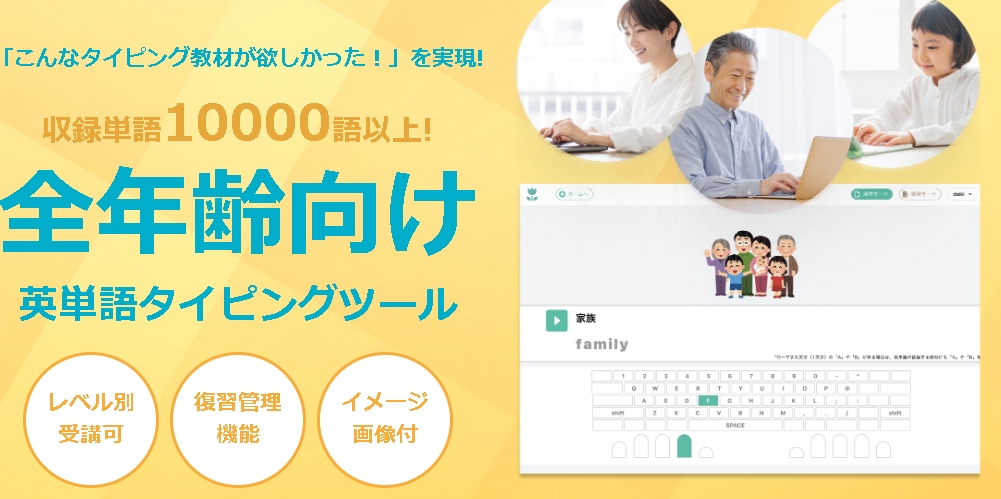
単語学習、聞き取り学習、タイピング練習はもちろん。
できなかった部分だけを重点的に学習できるように復習機能もついています。
また、中1レベルからTOEIC900点クラスまで網羅している為
無料お試し版がご利用いただけますので